

Sonoma Pinot Noir can be beautiful, but the hype can get loud fast. This ranking starts with wineries I would still defend and slides toward the places where price, scarcity, scenery, or brand glow may be doing too much of the work.
This is one of four county rankings. Napa, Santa Barbara and Monterey are collected in California Pinot Noir by county.
I weighed wine quality, tasting-room experience, public reputation, critical attention, price pressure, and whether a normal American wine drinker would leave feeling delighted or just politely confused.
Table of Contents
- The 33 Sonoma Pinot Noir producers, ranked
- 1. Freeman Vineyard & Winery
- 2. Dutton-Goldfield Winery
- 3. Emeritus Vineyards
- 4. Hanzell Vineyards
- 5. Iron Horse Vineyards
- 6. Siduri
- 7. Hartford Court
- 8. Landmark Vineyards
- 9. MacRostie Winery
- 10. Lynmar Estate
- 11. Arista Winery
- 12. Martinelli Winery
- 13. Sonoma-Cutrer Vineyards
- 14. Patz & Hall
- 15. Twomey Cellars
- 16. Gary Farrell Vineyards & Winery
- 17. DuMOL
- 18. Paul Hobbs Winery
- 19. Three Sticks Wines
- 20. Donum Estate
- 21. Wayfarer Vineyard
- 22. Hirsch Vineyards
- 23. Kistler Vineyards
- 24. Littorai Wines
- 25. Occidental Winery
- 26. RAEN Winery
- 27. Williams Selyem
- 28. Rochioli Vineyards
- 29. La Crema
- 30. J Vineyards & Winery
- 31. Flowers Vineyards & Winery
- 32. Merry Edwards Winery
- 33. Kosta Browne
- Sources and image note
The 33 Sonoma Pinot Noir producers, ranked
1. Freeman Vineyard & Winery
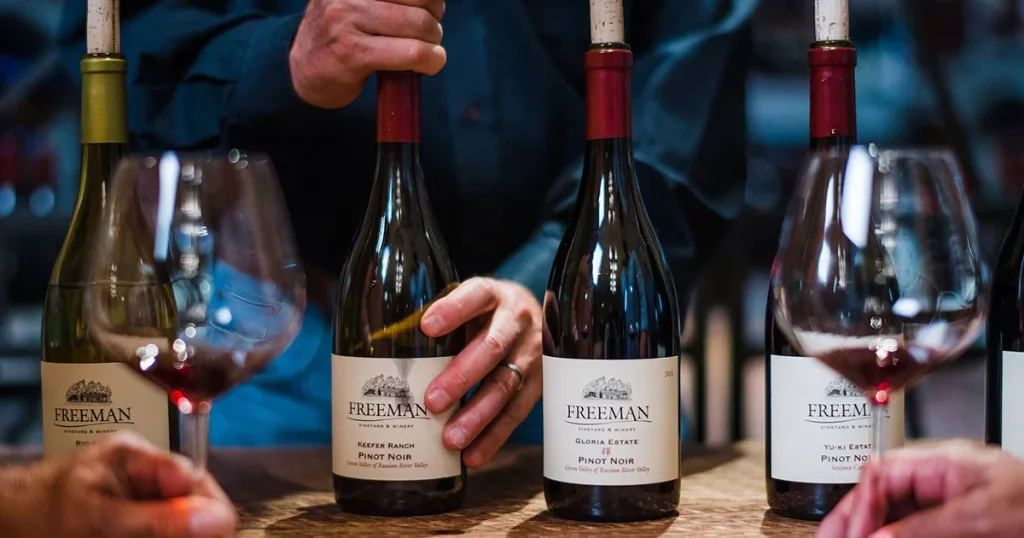
Freeman is the rare Sonoma Pinot name that still feels calmer than its reputation. The wines lean elegant, polished, and quietly detailed rather than loud, glossy, or built to impress someone across the table in ten seconds.
That makes it less flashy for casual visitors, but more rewarding in the glass. If you want a Pinot that tastes like cool fruit, careful oak, and restraint instead of a cherry milkshake in a fancy bottle, this is one of the safest places to start.
2. Dutton-Goldfield Winery

Dutton-Goldfield has the boring-sounding advantage that matters: serious vineyard relationships. That means the Pinot is not just a tasting-room story; it often has real site character, with Russian River richness but enough lift to keep it from feeling syrupy.
It is not the sexiest name in a travel roundup, which is partly why it ranks so well here. The wines tend to deliver the thing visitors think they are paying Sonoma for: ripe cherry, spice, texture, and a clear sense that somebody farmed the details.
3. Emeritus Vineyards

Emeritus deserves attention because the wines feel built around Pinot Noir itself, not around a lifestyle fantasy. The best bottles have that silky, red-fruited, slightly earthy Sonoma feeling that lets beginners enjoy them and wine people keep talking.
The tasting-room pitch is not as instantly famous as some bigger names, but the wine carries the weight. That is exactly the kind of producer this list should protect: visible enough to belong here, serious enough that calling it overrated would feel lazy.
4. Hanzell Vineyards

Hanzell has old-school California gravity. It is not the obvious pick for someone chasing a bachelorette-weekend tasting room, but as a Pinot and Chardonnay benchmark it has earned its place over decades, not through a sudden Instagram glow-up.
The catch is that the style can feel subtle if your idea of great Pinot is big fruit and a dramatic room. But subtle is not overrated here. Hanzell is the quiet, tailored jacket in a county full of sequins.
5. Iron Horse Vineyards
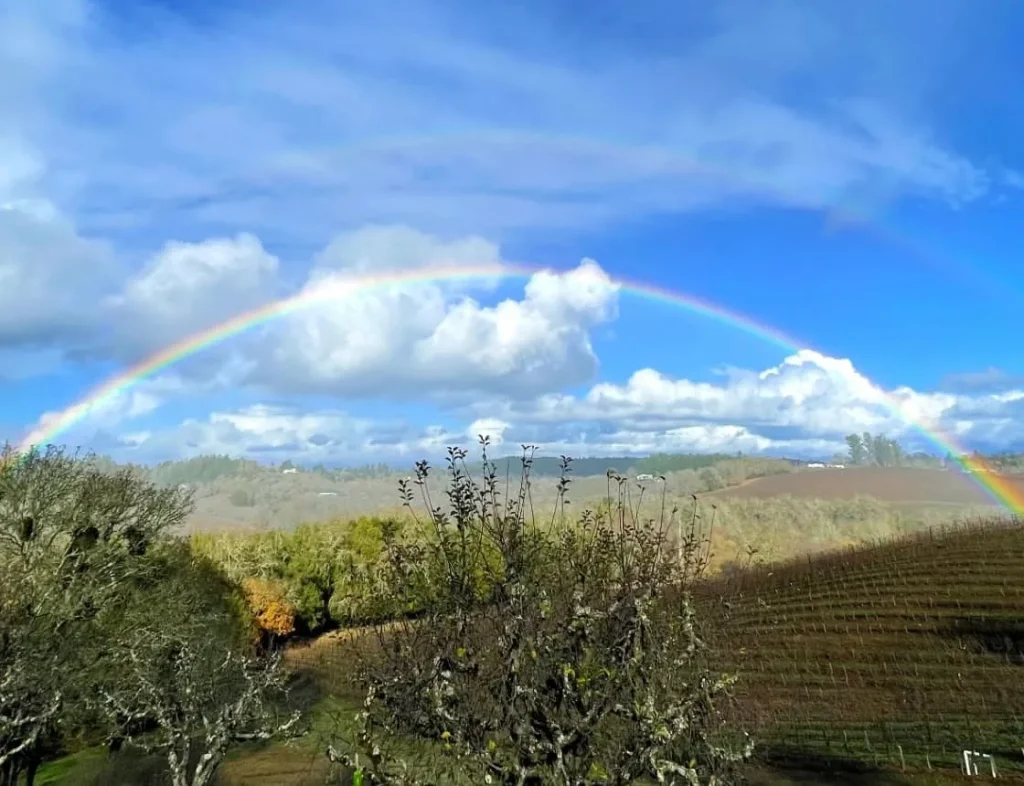
Iron Horse is better known for sparkling wine, which actually helps it in this ranking. The hype is not pretending every Pinot bottle is a cult object; the whole place has a clearer identity, and the still Pinot benefits from cool Green Valley fruit.
For a regular visitor, the appeal is easy to understand: views, bubbles, and wines that do not need a lecture to enjoy. If anything, Pinot fans sometimes underrate Iron Horse because the sparkling program gets the spotlight first.
6. Siduri

Siduri is not tiny and precious, and that is part of its strength. The wines often give Pinot drinkers a clear tour of California and Oregon styles without making the whole thing feel like a secret society with a corkscrew.
In Sonoma terms, it is a practical pick: approachable, widely discussed, and usually understandable to people who just want the bottle to taste good. The tradeoff is less romance than a hidden estate, but less romance can also mean fewer silly expectations.
7. Hartford Court
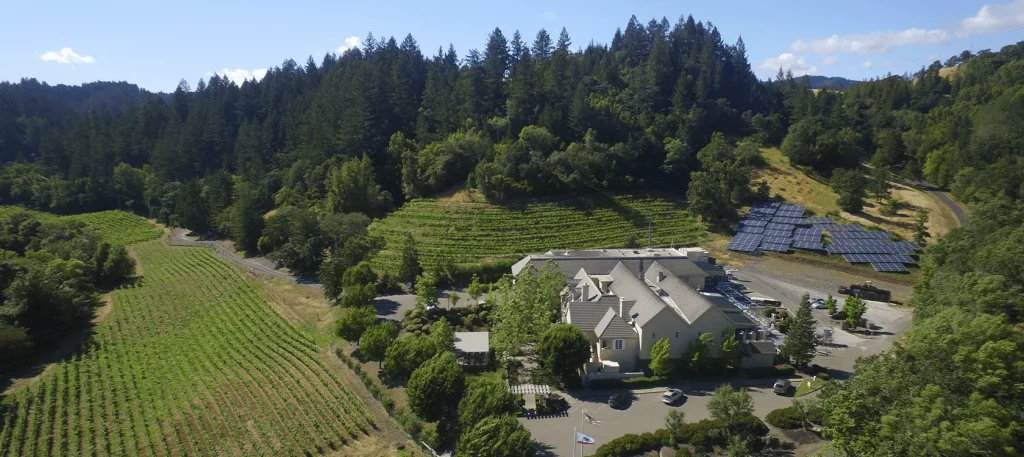
Hartford Court sits in that useful zone where the wines are serious but not impossibly remote. The Pinot can be plush, dark-fruited, and generous, which makes it easier for a casual drinker to understand than some leaner coastal labels.
Is it the most delicate Sonoma Pinot experience? Not always. But it rarely feels like empty hype. The brand has enough polish to attract visitors and enough wine substance to keep the polish from becoming the whole point.
8. Landmark Vineyards

Landmark is bigger and more visitor-ready than many of the wineries ranked above it, but that does not automatically make it overrated. The Hop Kiln Estate connection gives Pinot drinkers a real Russian River reason to show up.
The experience can feel more polished than personal, so hardcore Pinot hunters may not treat it as a spiritual destination. For normal visitors, though, it is a useful Sonoma stop: recognizable, pretty, and capable of pouring Pinot that does not embarrass the scenery.
9. MacRostie Winery
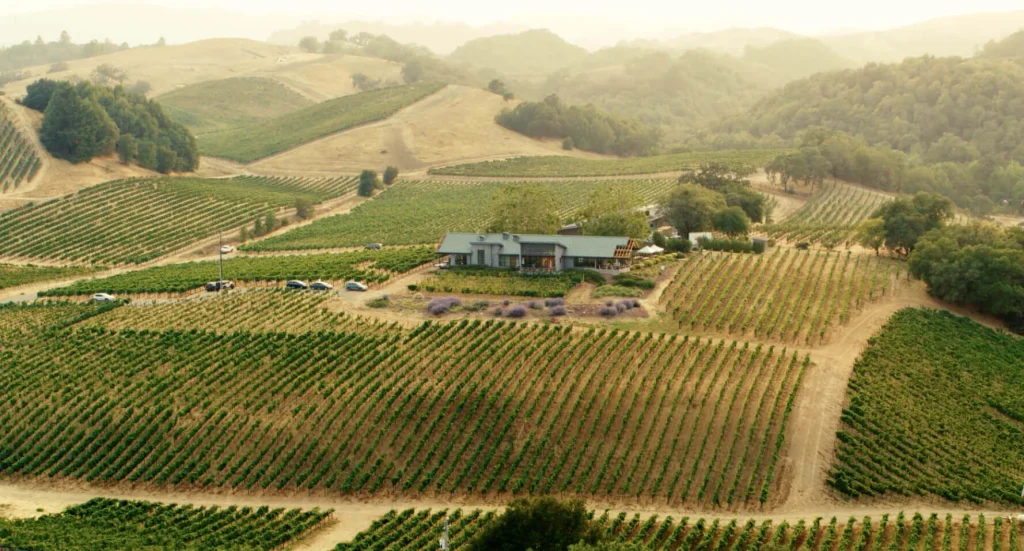
MacRostie has one of those tasting-room views that can make people overrate the wine before the first pour. The surprise is that the Pinot usually holds up better than a cynic expects, with enough freshness to balance the polished hospitality.
That said, this is where the list starts to tilt from pure bottle judgment toward experience judgment. If you hate sleek modern tasting rooms, you may grumble. If you want Sonoma to feel beautiful and easy, MacRostie is not a bad answer.
10. Lynmar Estate

Lynmar is a strong example of the Sonoma garden-and-glass fantasy done with enough wine credibility to avoid becoming a tourist trap. The Pinot can be lush and pretty, especially for drinkers who like Russian River fruit with a silky finish.
The risk is that the setting may do some of the emotional heavy lifting. A casual visitor might remember the property more vividly than the bottle. Still, that is a softer criticism than calling it overrated; Lynmar generally earns its gloss.
11. Arista Winery

Arista has the kind of landscaped calm that can make visitors assume the wine must be elite. Fortunately, the Pinot usually has real depth: ripe fruit, spice, and enough structure that it does not just taste like luxury branding.
It lands just outside the safest tier because the experience is undeniably curated. You are paying for beauty as well as bottles. That can be worth it, but the wine has to stay awake under all that comfort, and Arista usually does.
12. Martinelli Winery
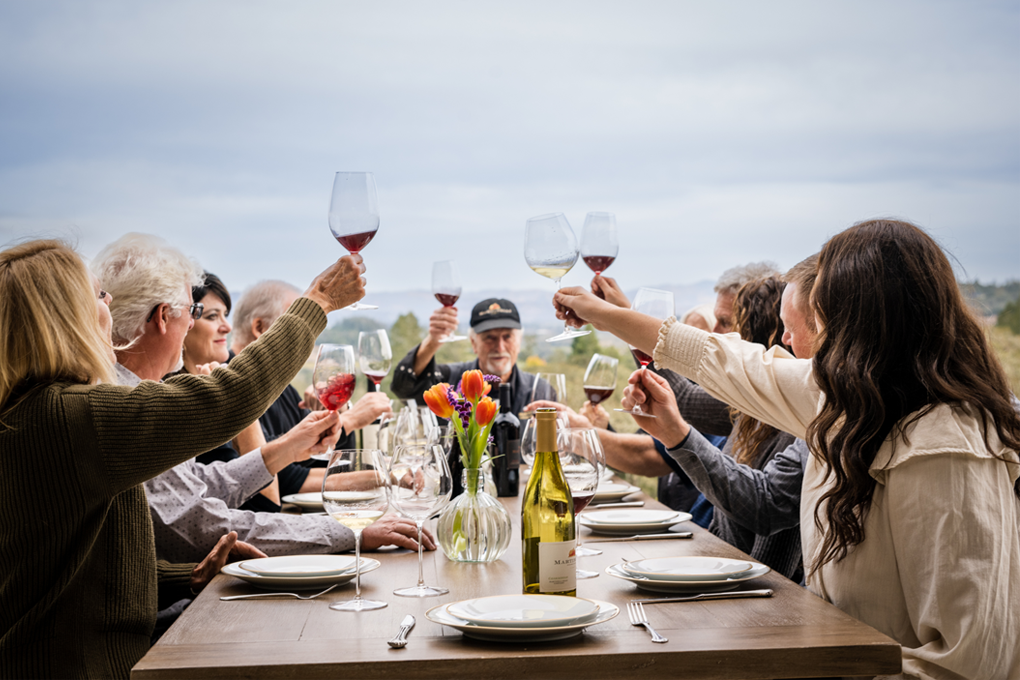
Martinelli has family history, famous vineyard names, and a richer house style that many American Pinot drinkers instantly understand. If you like your Pinot generous, powerful, and mouth-filling, this will feel less overrated than some daintier cult labels.
The criticism is style, not competence. Some bottles can feel big for Pinot, especially if you came looking for featherweight Burgundy energy. But for Sonoma visitors who want flavor, heritage, and a memorable pour, Martinelli is still doing real work.
13. Sonoma-Cutrer Vineyards

Sonoma-Cutrer is famous enough that wine snobs may want to dismiss it on sight. That is not quite fair. The winery knows how to make clean, polished, crowd-friendly wine, and its Pinot is often more useful at dinner than the label’s size suggests.
The downside is predictability. You may not get a lightning-bolt Sonoma moment here. If a bottle comes home with you, Pinot Squirrel’s guide to storing red wine properly is more important than treating it like a trophy.
14. Patz & Hall
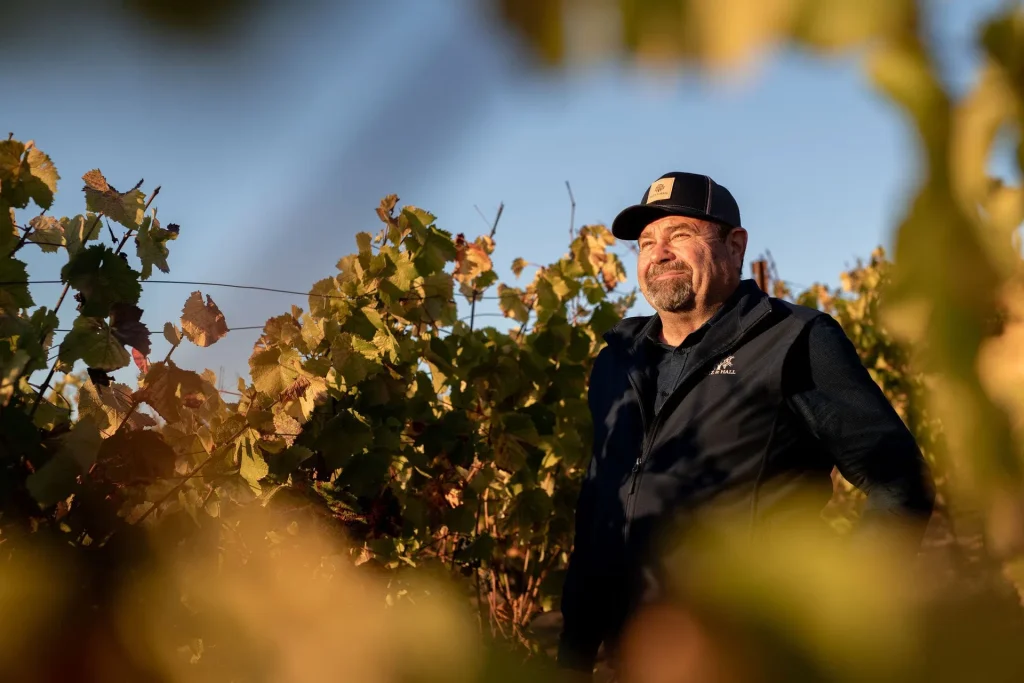
Patz & Hall has long been a serious name for Chardonnay and Pinot, and the wines can still be very good. The reason it sits in the middle is that the reputation sometimes arrives before the glass does.
For casual drinkers, the wines may read as polished and expensive rather than emotionally exciting. That is not a disaster; plenty of good Sonoma Pinot lives there. But once a brand becomes shorthand for quality, the bottle has to fight harder to surprise you.
15. Twomey Cellars

Twomey benefits from Silver Oak’s shadow, which is both helpful and dangerous. The Pinot program is serious enough to stand on its own, but the broader luxury-brand orbit can make a visit feel pre-approved before you taste anything.
The wines are usually sleek, generous, and easy to like. That is not the same as life-changing. If you want a polished Sonoma Pinot with a familiar luxury feel, Twomey works; if you want a discovery, the name may already be too loud.
16. Gary Farrell Vineyards & Winery

Gary Farrell is a classic Russian River name with a tasting room view that can practically sell the wine by itself. The bottles are often very good: aromatic, balanced, and squarely in the Sonoma Pinot lane people travel for.
The overrated risk comes from the visitor experience becoming the headline. When the view is that strong, even a merely solid wine can feel profound. Still, this is a fair splurge, especially if you prefer beauty with a reliable glass rather than a gamble.
17. DuMOL
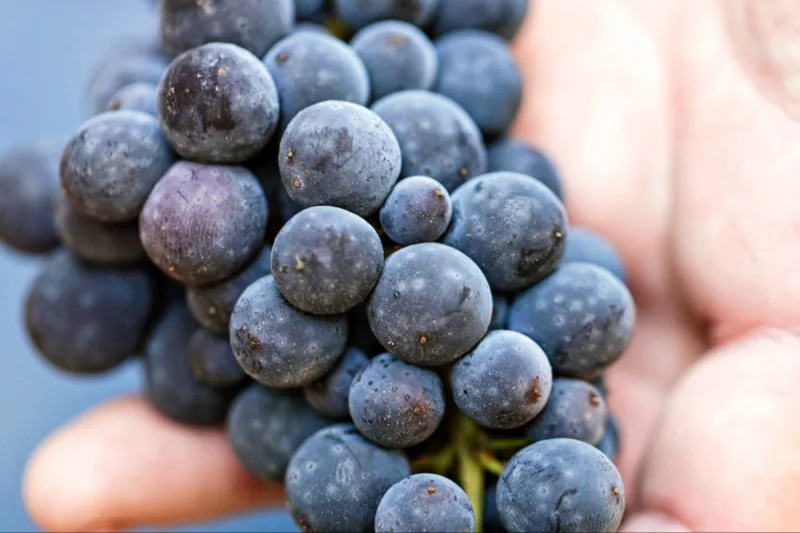
DuMOL is one of those names that wine people say with a little extra seriousness in their voice. Much of that is earned. The wines can be concentrated, careful, and layered, especially for drinkers who enjoy a more powerful Sonoma style.
For a beginner, though, the price-to-pleasure math can get cloudy. A great bottle may impress; a good bottle may simply taste expensive. If you are opening one at home, this is also where proper Pinot Noir storage stops being optional fussing.
18. Paul Hobbs Winery
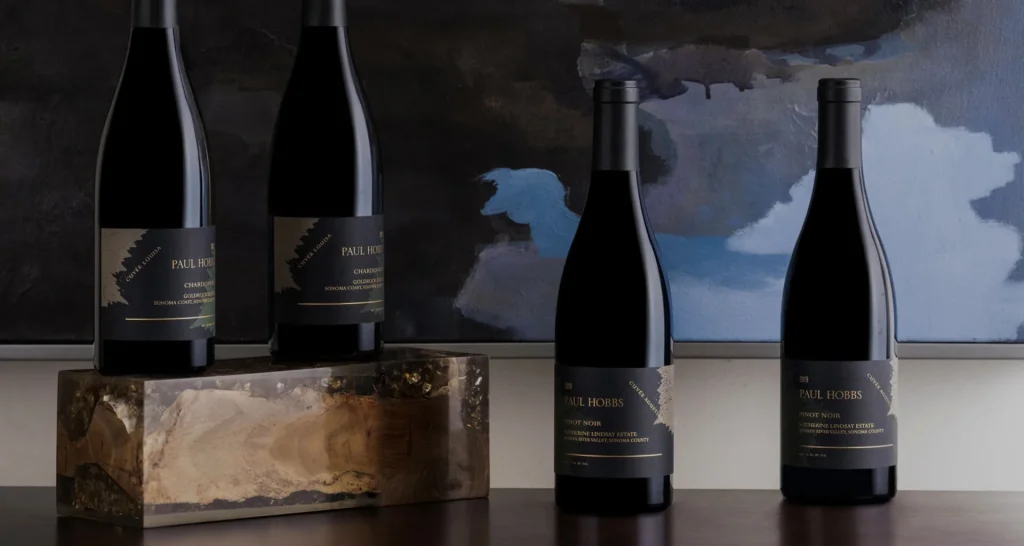
Paul Hobbs is a global-quality name, which means expectations walk into the room wearing expensive shoes. The Pinot can be impressive, polished, and technically sharp, but the brand aura sometimes makes people taste prestige before fruit.
This is not a winery to mock; it is a winery to judge carefully. The best bottles have depth and control. The less thrilling ones can feel like a luxury car stuck in traffic. For older or bigger bottles, check which wines actually need decanting before making the ritual bigger than the wine.
19. Three Sticks Wines
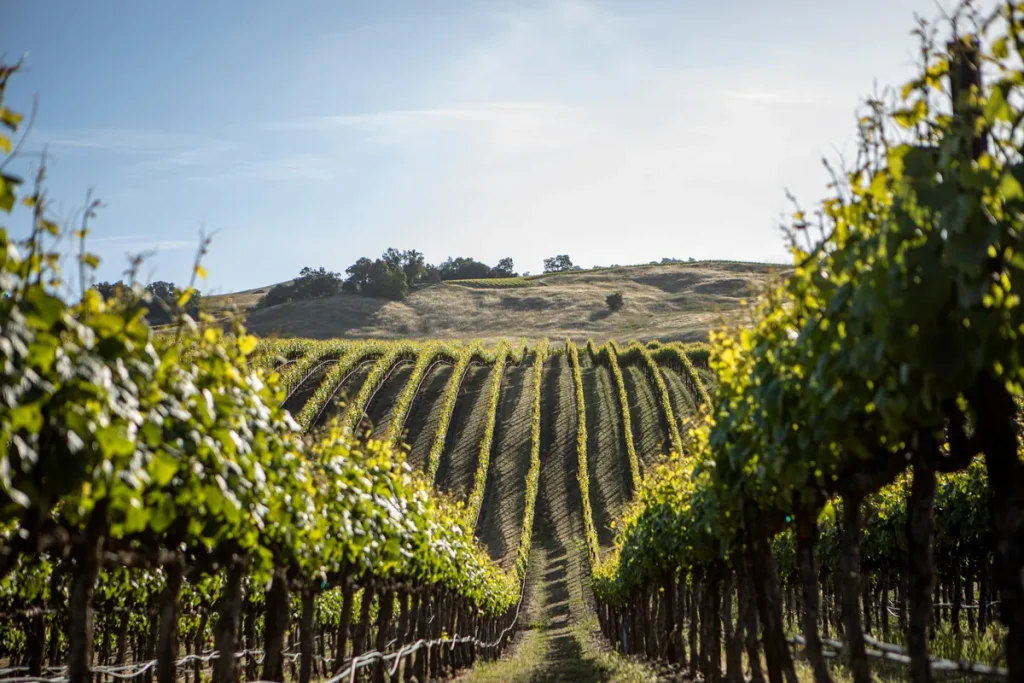
Three Sticks has strong vineyard access, polished packaging, and one of the more design-forward Sonoma identities. That combination can be excellent, but it also invites the question: are you reacting to the wine, the room, or the whole beautiful production?
The Pinot is often good enough to justify attention, especially from well-known sites. Still, this is a place where casual visitors may pay for the full Sonoma fantasy. If the bottle itself is the main goal, taste before joining anything.
20. Donum Estate
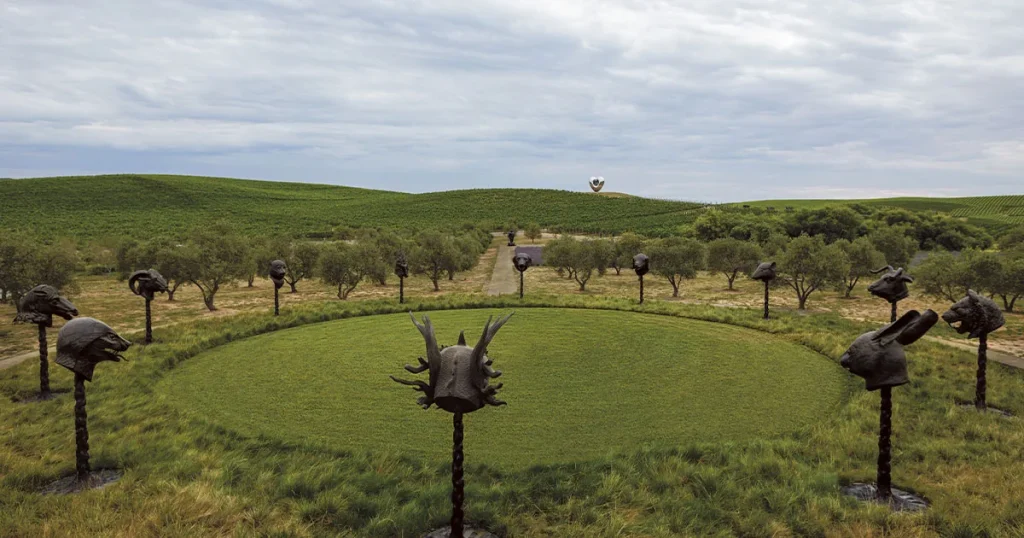
Donum is a fascinating case because the estate experience is not just wine; it is art, landscape, architecture, and the kind of visual drama that makes people reach for their phones before their tasting notes.
The Pinot can be excellent, especially from estate fruit, but the full visit is so theatrical that the wine has a hard time being the only star. Donum is not overrated as an experience. As a pure Pinot value? That is a much tougher sell.
21. Wayfarer Vineyard
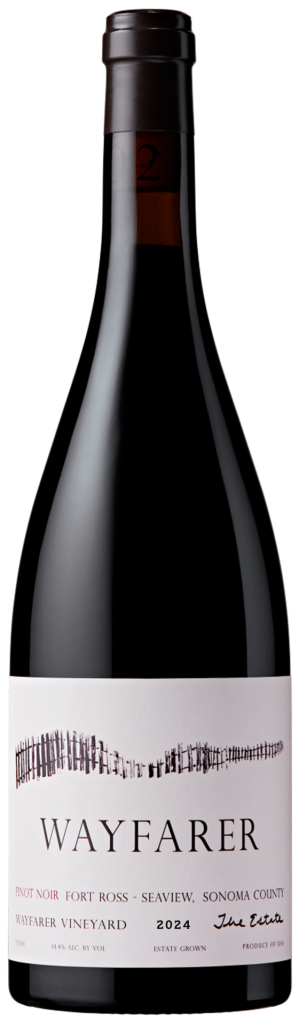
Wayfarer has a strong coastal story and the pedigree to make Pinot fans pay attention. The wines can be serious, savory, and beautifully made, especially for drinkers who like Sonoma Coast tension over easy Russian River plushness.
The issue is that pedigree pricing can make normal drinkers nervous. If you have to ask whether you are tasting minerality or your credit-card limit, the hype is already in the room. Wayfarer can be impressive, but it is not casual fun.
22. Hirsch Vineyards
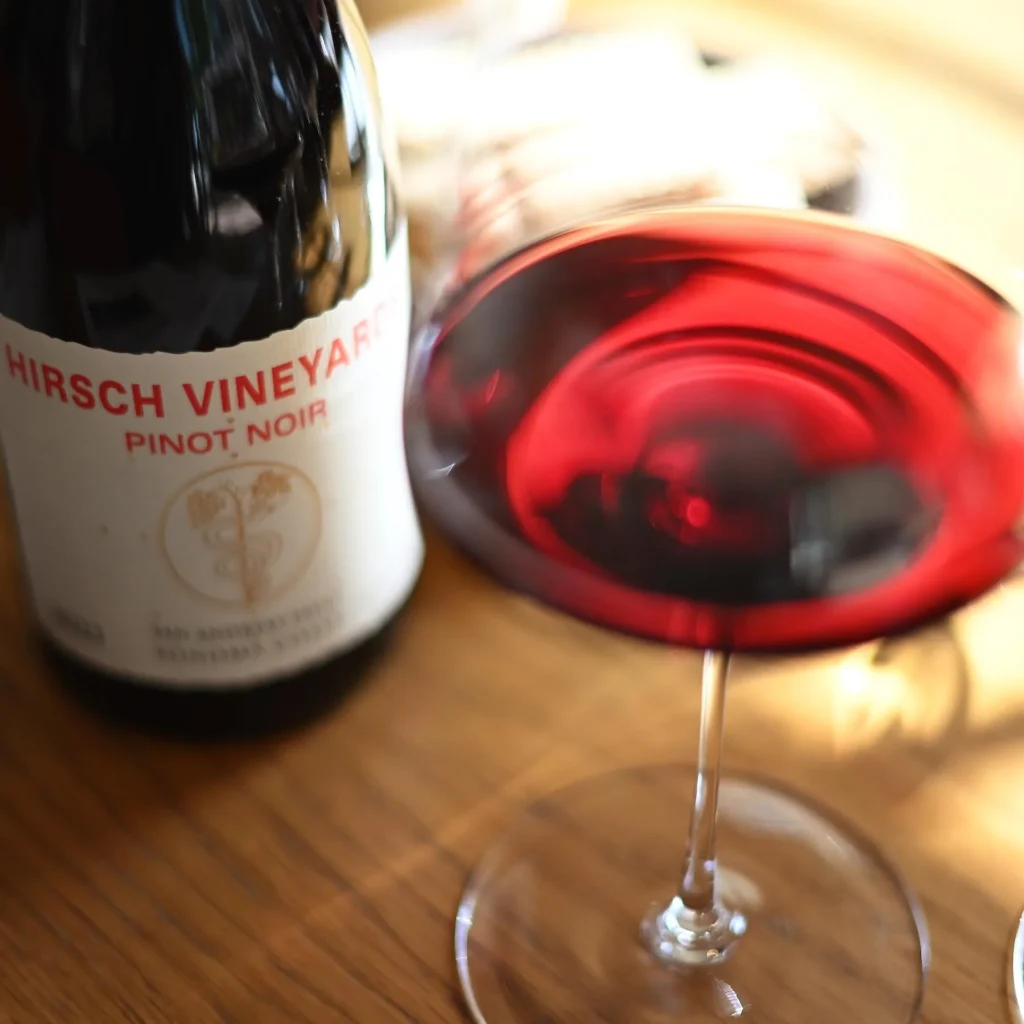
Hirsch is hugely important to the Sonoma Coast conversation. The vineyard deserves its reputation, and the wines can be haunting in the way Pinot people mean when they start sounding a little ridiculous.
But this is exactly where beginners can feel locked outside the party. The wines are not cheap, not obvious, and not always instantly charming. If you do open one, avoid turning serving into theater; Pinot Squirrel’s practical table on how long to decant wine is a better guide than guessing.
23. Kistler Vineyards

Kistler is a California heavyweight, and that alone makes it vulnerable to the overrated label. The Chardonnay reputation is enormous, while the Pinot side can feel like it is carrying both its own quality and the whole brand’s prestige.
The wines are not weak. Far from it. But for casual drinkers, the gap between “excellent” and “worth the fuss” can be expensive. Kistler belongs in the conversation, but it may not be the first Sonoma Pinot I would hand a curious beginner.
24. Littorai Wines

Littorai is one of the most intellectually respected names in California Pinot, and the wines can be superb. The problem is not quality; it is how reverently people talk about the bottles before a regular drinker has any chance to enjoy them.
This is Pinot for people who like nuance, farming, acidity, and patience. That is a beautiful lane. It is also a lane where the average visitor may wonder why everyone is whispering. Great wine can still be a little overrated for the wrong audience.
25. Occidental Winery

Occidental has serious coastal Pinot credentials and the kind of restraint that makes critics lean forward. The wines can be precise, energetic, and deeply tied to the far Sonoma Coast. In the right glass, that is thrilling.
For the average wine-drinking American, though, the appeal may take effort. This is not big, soft, cocktail-hour Pinot. It is expensive, focused, and often better with food and time. That makes it admirable, but not automatically worth the popular chase.
26. RAEN Winery
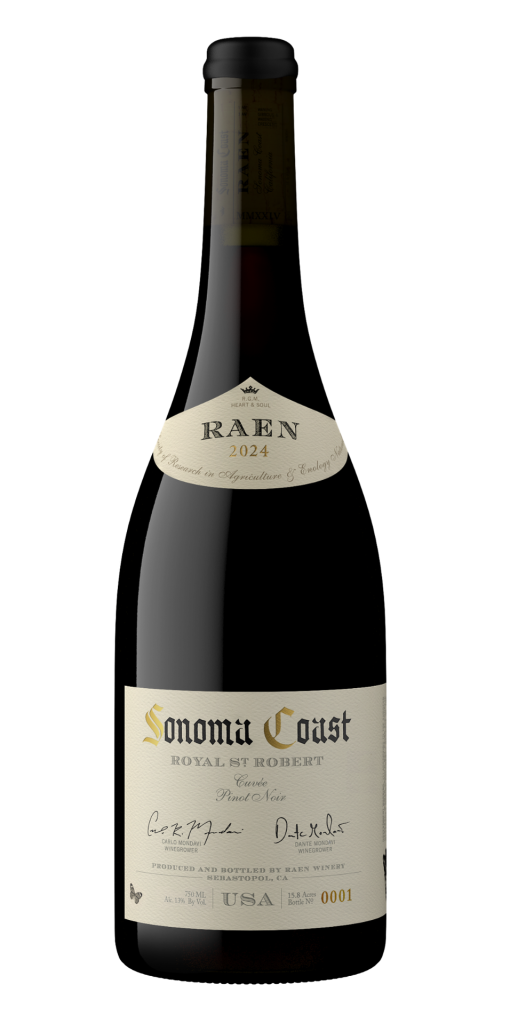
RAEN has a compelling story: Mondavi family, remote Sonoma Coast, lifted Pinot, a name that sounds like it was designed to be spoken softly by people in linen. The wines can be genuinely graceful and aromatic.
The overrated risk is the story-to-bottle ratio. A casual drinker may enjoy it, then wonder why the room treated it like a religious object. RAEN is not fake. It is just wrapped in so much cool-climate mystique that the Pinot has to sprint.
27. Williams Selyem
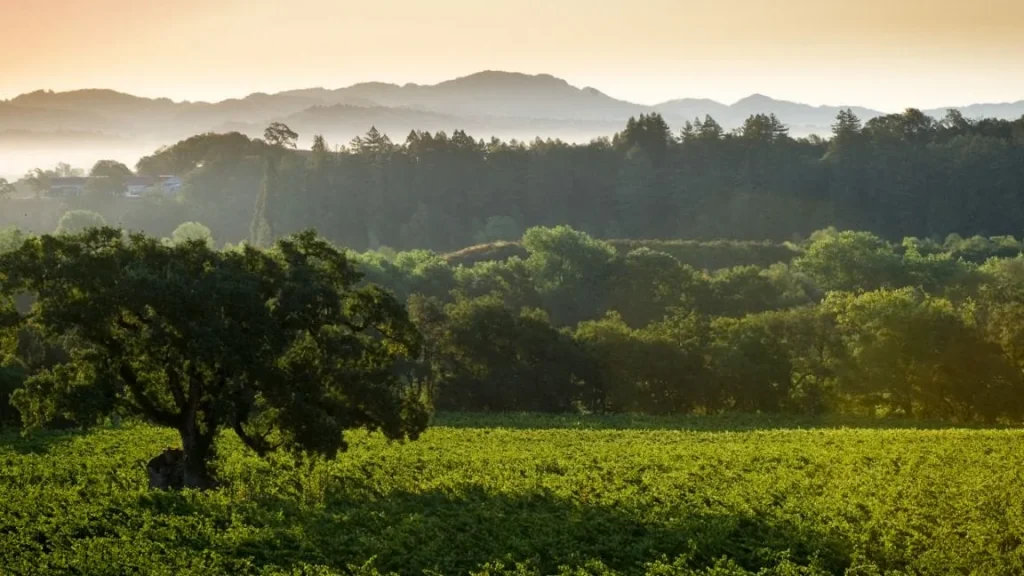
Williams Selyem is historically important enough that any “overrated” jab needs humility. The winery helped define modern Russian River Pinot, and many bottles still have the aromatic charm and vineyard detail that made the name famous.
But history can become a tax. Mailing-list culture, scarcity, and reputation can make people praise the label before checking the glass. If you collect bottles like this, know how to protect them; Pinot Squirrel’s guide to long-term wine storage matters more here than display bragging.
28. Rochioli Vineyards
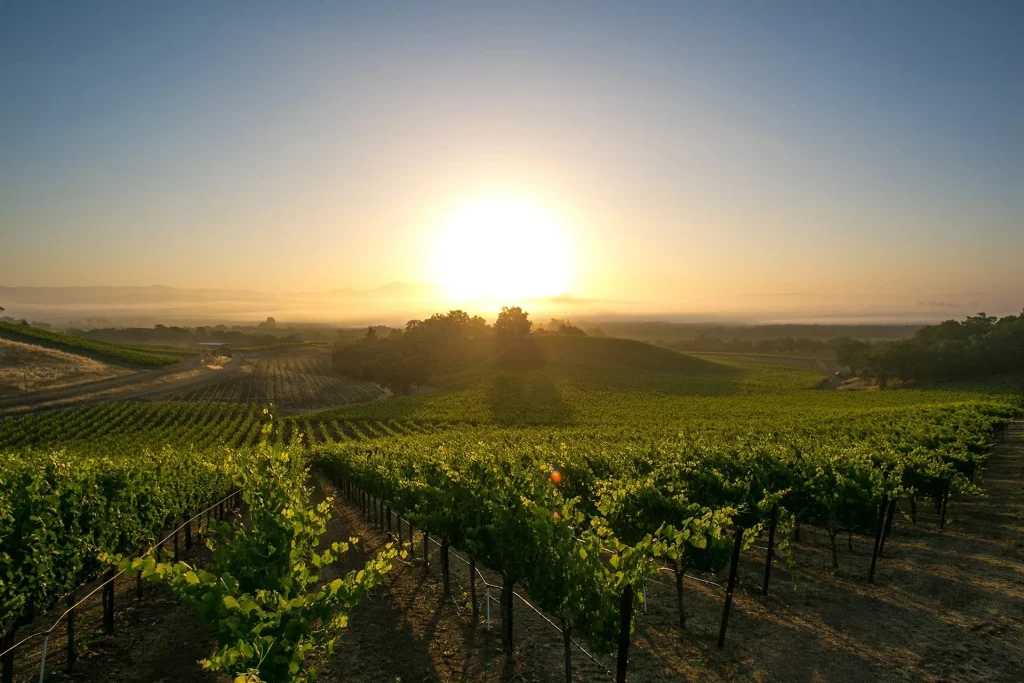
Rochioli is another sacred Sonoma Pinot name, and the vineyard reputation is absolutely real. The best wines have the kind of depth and perfume that explain why collectors still care. This is not an empty tourist brand.
Still, sacred names are where overrated conversations become fair. Limited access, high expectations, and the weight of history can make a very good bottle feel like it was supposed to change your personality. Rochioli is excellent, but not immune to myth.
29. La Crema

La Crema is popular for a reason: the wines are easy to find, easy to understand, and usually pleasant. For millions of Americans, this may be the first Sonoma Pinot name that does not feel like homework.
But popularity can flatten expectations. At the winery level, the experience may feel more brand-forward than revelatory, and the Pinot rarely needs hushed reverence. Serve it well, in the right glass, and move on; this guide to red and white wine glasses will probably help more than pretending it is a unicorn.
30. J Vineyards & Winery
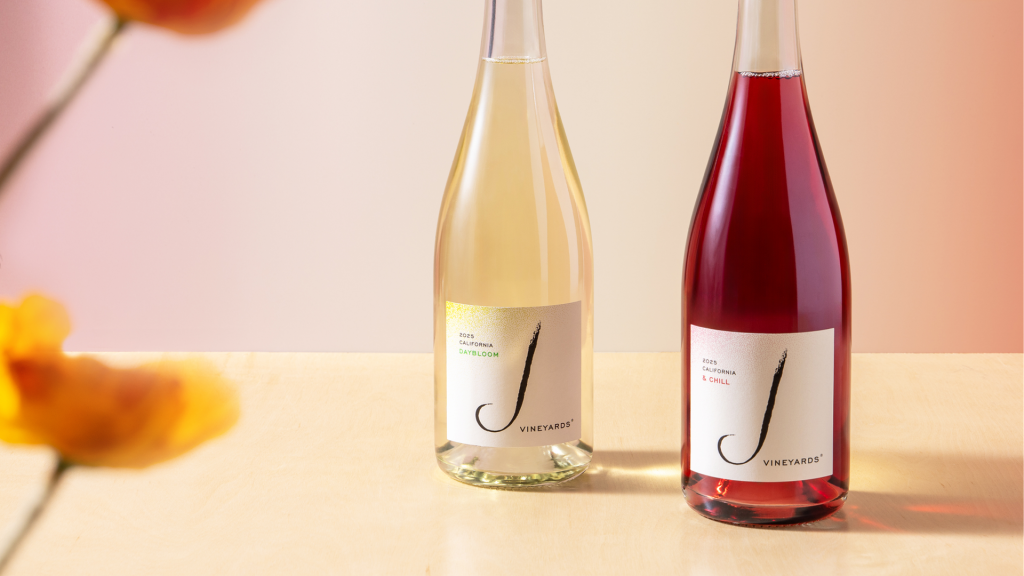
J Vineyards is a polished, recognizable stop with sparkling wine, food experiences, and a visitor setup that makes Sonoma feel easy. The Pinot can be enjoyable, but the winery’s broader hospitality machine may be the main event.
That is not a crime. Many casual visitors want exactly that. But if the question is Pinot Noir hype, J can feel more like a polished day out than a must-taste Pinot pilgrimage. The brand is strong; the Pinot argument is less urgent.
31. Flowers Vineyards & Winery

Flowers helped make coastal Sonoma Pinot feel cool to a wider audience. The wines can be bright, pretty, and coastal in a way that is easy to admire. The problem is that the brand now carries a lot of lifestyle weight.
At the bottom end of this ranking, “overrated” does not mean bad. It means the story may be ahead of the glass. If you do buy the bottle, store it like wine, not decor; Pinot Squirrel’s proper wine storage checklist is a better flex than leaving it on a sunny counter.
32. Merry Edwards Winery

Merry Edwards is a genuinely important name, and the winery’s Pinot legacy deserves respect. The wines can be rich, expressive, and classic Russian River in a way that many drinkers find deeply satisfying.
So why this low? Because legacy names can become automatic recommendations, and automatic recommendations are where casual drinkers overspend. Merry Edwards is good wine, often very good wine. But the gap between “important” and “best use of your Sonoma budget” is real.
33. Kosta Browne

Kosta Browne is the easiest pick for most overrated because the wines are famous, expensive, and wrapped in a cult-story glow that can overwhelm the actual drinking experience. Many bottles are delicious. That is not the same as modest.
The style helped define a ripe, plush era of California Pinot, and plenty of people still love it. But if a regular drinker expects the heavens to open, disappointment is possible. Before treating any expensive Pinot like magic, read Pinot Squirrel’s wine storage myths and remember: fame is not a tasting note.
Sources and image note
This ranking was built from official winery information, recent Sonoma Pinot coverage, Sonoma County wine-region context, and Pinot Squirrel’s own storage and serving guidance. Images in this draft were sourced from official winery websites or official winery-controlled media/CDN assets and imported into WordPress for review.