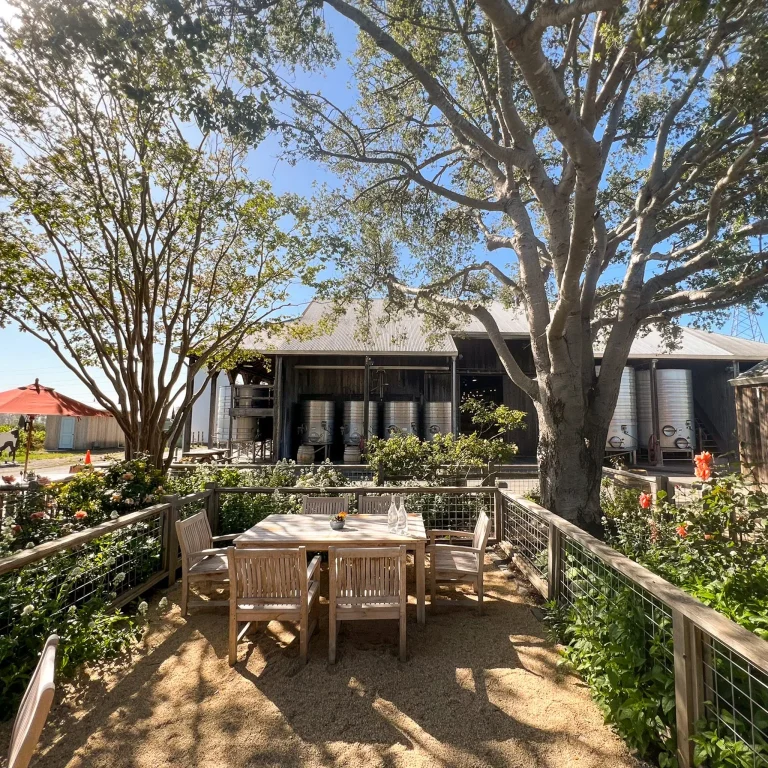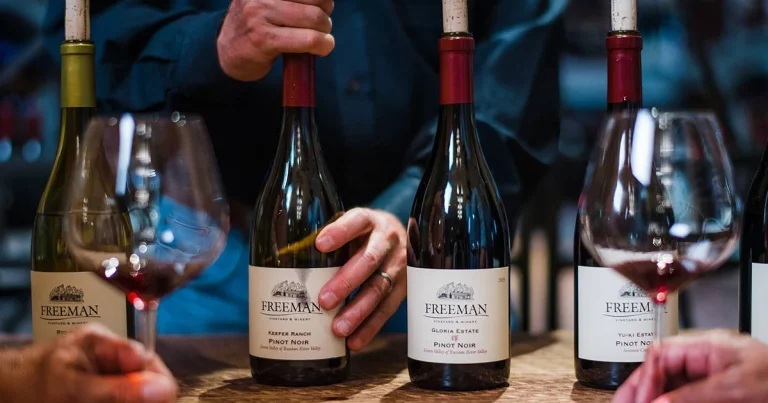
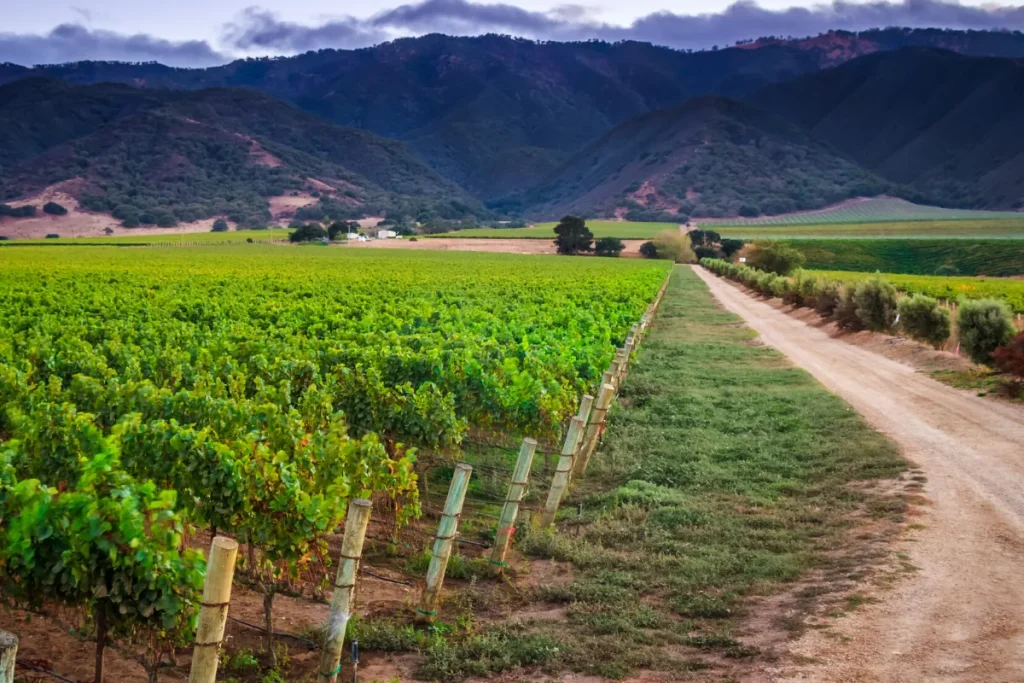

Monterey and the Santa Lucia Highlands can absolutely deliver serious Pinot. The trap is assuming every famous label, pretty tasting room, or supermarket bottle gives you the same mountain-cooled magic.
For casual drinkers, Monterey Pinot can be confusing because the labels jump from tiny vineyard names to national brands. I ranked for real Pinot identity first, then asked whether the reputation, availability, or tasting-room polish has started to outrun the glass.
Table of Contents
- 1. Morgan Winery
- 2. McIntyre Vineyards
- 3. Caraccioli Cellars
- 4. Pisoni Estate / Lucia
- 5. ROAR Wines
- 6. Wrath Wines
- 7. Luli Wines
- 8. Joyce Wine Company
- 9. I. Brand & Family
- 10. Albatross Ridge
- 11. Rustique Wines
- 12. Corral Wine Co.
- 13. CRU Winery
- 14. Pessagno Winery
- 15. Odonata Wines
- 16. District 7 Wines
- 17. Boekenoogen Wines
- 18. Manzoni Estate Vineyard
- 19. Dawn's Dream Winery
- 20. Holman Ranch
- 21. Bernardus Winery
- 22. Folktale Winery
- 23. Testarossa Winery
- 24. Chalone Vineyard
- 25. Scheid Vineyards
- 26. Talbott Vineyards
- 27. Hahn Family Wines
- 28. J. Lohr Vineyards & Wines
- 29. Carmel Road
- 30. Poppy Wines
- Sources and image note
1. Morgan Winery

I would not roll my eyes at the praise for Morgan Winery. The case is simple: a foundational Santa Lucia Highlands Pinot name with Double L Vineyard credibility. That kind of footing matters with Pinot, a grape that shows weakness fast when the story is stronger than the wine.
Less overrated: real grower credibility, not just tasting-room polish. That is a mild warning, not a takedown. Go in expecting balance and texture rather than fireworks, and the visit has a good chance of feeling worth it.
2. McIntyre Vineyards
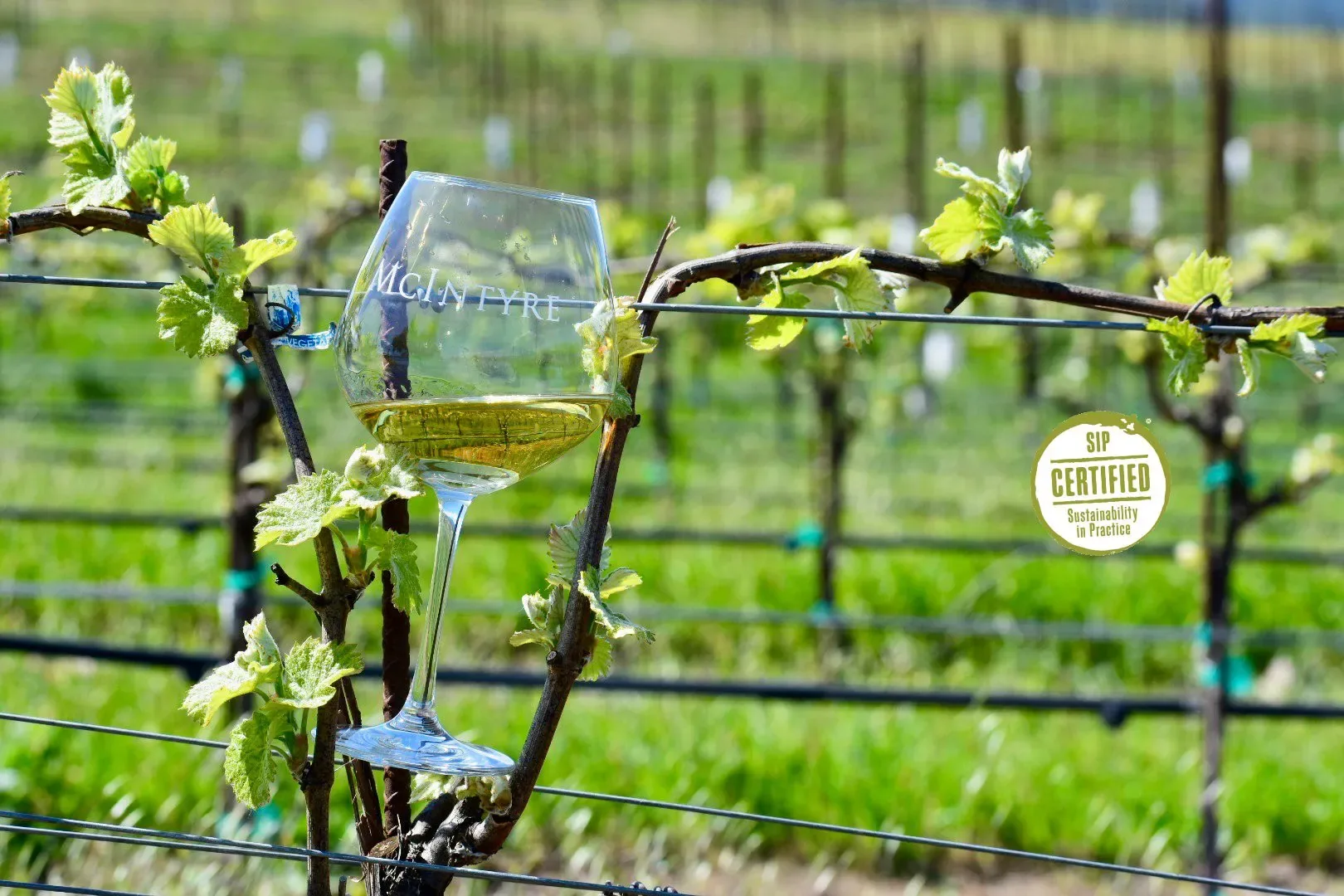
McIntyre Vineyards is one of the safer recommendations here. The draw is clear: old-vine SLH grower reputation and Pinot/Chardonnay focus. If you only know Pinot as a smooth red at dinner, this is the kind of producer that can show why place and farming matter.
Quiet but deeply credible. In plain English, this is not the place I would cut first from an itinerary. The wines have enough backbone that the reputation feels earned, even when the tasting room looks a little too ready for photos.
3. Caraccioli Cellars

Caraccioli Cellars lands near the top for a simple reason: estate Escolle Vineyard and a role in Monterey's fresher style shift. For a regular drinker, that means there is an actual Pinot reason to care, not just a nice driveway, a polished reservation system, or a label that looks expensive.
The sparkling gets attention, but the Pinot story is real. I would still send someone here, especially if they want Pinot with a clear regional point instead of a souvenir pour. The praise may be loud, but the glass has enough detail to answer back.
4. Pisoni Estate / Lucia

I would not roll my eyes at the praise for Pisoni Estate / Lucia. The case is simple: core SLH cult name central to modern Monterey Pinot history. That kind of footing matters with Pinot, a grape that shows weakness fast when the story is stronger than the wine.
Expensive and mythologized, but still foundational. That is a mild warning, not a takedown. Go in expecting balance and texture rather than fireworks, and the visit has a good chance of feeling worth it. Monterey rewards people who can tell the difference between a regional signature and a broad brand impression.
5. ROAR Wines

ROAR Wines is one of the safer recommendations here. The draw is clear: franscioni family, Garys', Rosella's, and Sierra Mar connections. If you only know Pinot as a smooth red at dinner, this is the kind of producer that can show why place and farming matter.
Big, ripe, hyped style, but vineyard quality backs it. In plain English, this is not the place I would cut first from an itinerary. The wines have enough backbone that the reputation feels earned, even when the tasting room looks a little too ready for photos. Monterey rewards people who can tell the difference between a regional signature and a broad brand impression.
6. Wrath Wines

Wrath Wines still has a real argument behind it: site-driven Pinot from Monterey and SLH vineyards with active tasting presence. The wines or the setting may feel polished, but there is enough Pinot substance here that the reputation is not just empty regional sparkle.
The name is louder than the wines, but the bottles are serious. I would still taste it, but I would not let the room, view, or sales script make the buying decision. Pinot should smell alive, not just expensive.
7. Luli Wines

The reason Luli Wines belongs on the list is not mystery or hype alone. The hook is this: sLH-focused label tied to Sara Floyd and the Pisoni family orbit. That gives casual visitors something real to taste before the marketing language starts floating around the room.
Often a smarter buy than the cult names. That makes it a good stop for curious drinkers, as long as you keep your expectations at table height and do not assume every polished pour is profound.
8. Joyce Wine Company

Joyce Wine Company is credible before it is fashionable. Its best claim is straightforward: carmel Valley tasting room with modern Monterey wine credibility. That does not make every bottle a revelation, but it keeps the stop from feeling like pure tasting-room theater.
A good bridge between wine-geek and normal visitor. The smart move is to taste for freshness, lift, and finish. If those are missing, the famous surroundings are doing the heavy lifting.
9. I. Brand & Family

I. Brand & Family still has a real argument behind it: strong Central Coast insider credibility and Carmel Valley presence. The wines or the setting may feel polished, but there is enough Pinot substance here that the reputation is not just empty regional sparkle.
Less overrated, but not purely a Pinot destination. I would still taste it, but I would not let the room, view, or sales script make the buying decision. Pinot should smell alive, not just expensive.
10. Albatross Ridge
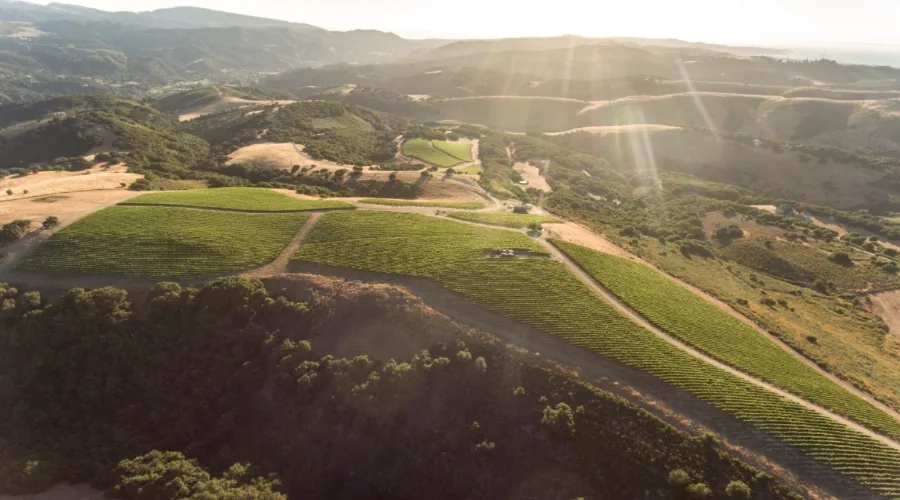
The reason Albatross Ridge belongs on the list is not mystery or hype alone. The hook is this: premium coastal Monterey Pinot positioning. That gives casual visitors something real to taste before the marketing language starts floating around the room.
Worth trying, though the ocean-cooled origin story can get over-romanticized. That makes it a good stop for curious drinkers, as long as you keep your expectations at table height and do not assume every polished pour is profound.
11. Rustique Wines

Rustique Wines is credible before it is fashionable. Its best claim is straightforward: part of the newer SLH style conversation around fresher Pinot. That does not make every bottle a revelation, but it keeps the stop from feeling like pure tasting-room theater.
Smart counterweight, not a giant hype machine. The smart move is to taste for freshness, lift, and finish. If those are missing, the famous surroundings are doing the heavy lifting.
If this list sends you shopping instead of tasting, start with our guide to store Pinot Noir so the label does not do all the thinking for you.
12. Corral Wine Co.
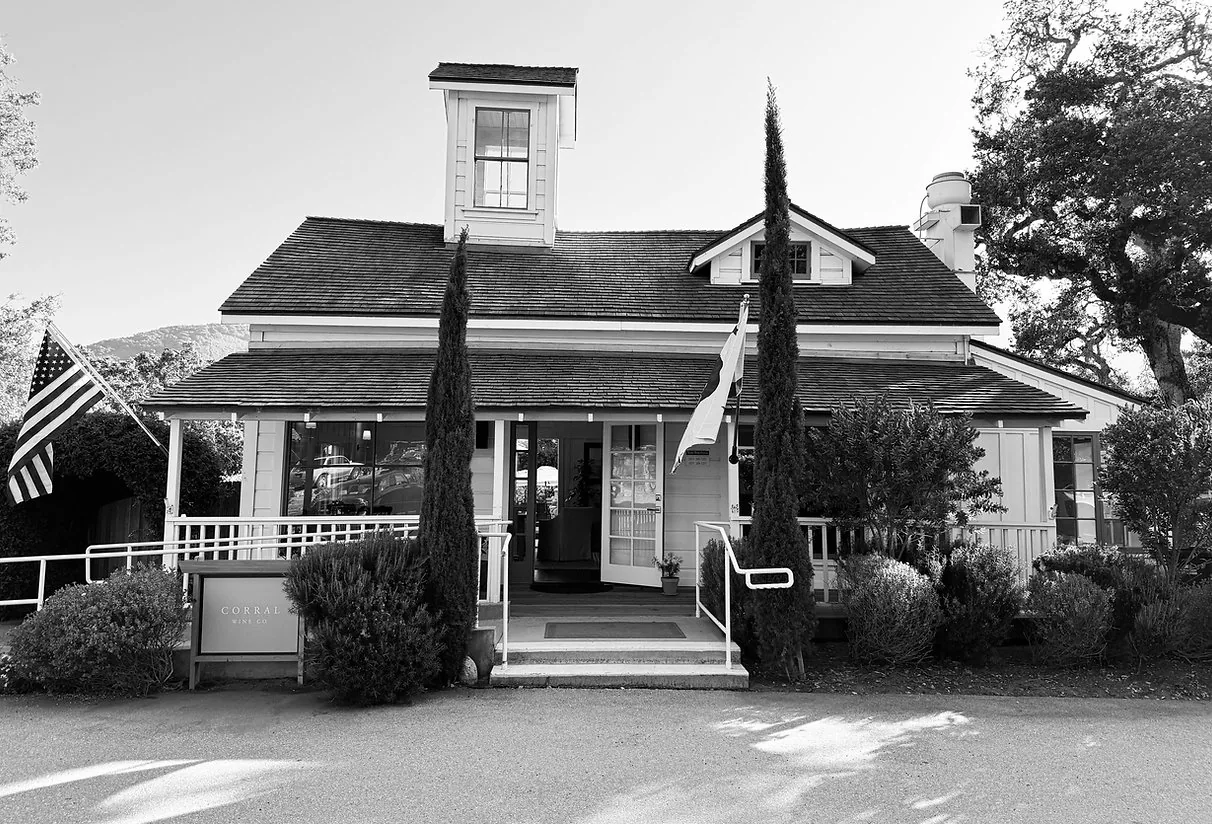
Corral Wine Co. still has a real argument behind it: a newer Monterey name tied to the fresher SLH style conversation. The wines or the setting may feel polished, but there is enough Pinot substance here that the reputation is not just empty regional sparkle.
Less overrated, but still too niche for harsh criticism. I would still taste it, but I would not let the room, view, or sales script make the buying decision. Pinot should smell alive, not just expensive.
13. CRU Winery
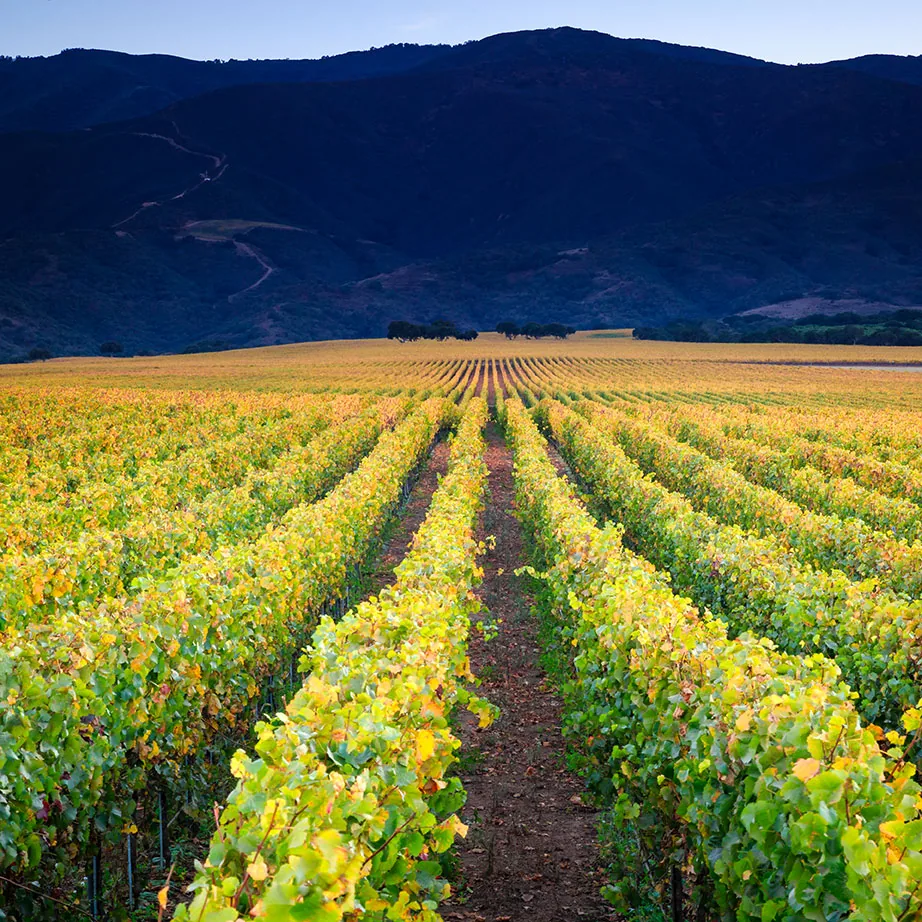
There is a legitimate reason CRU Winery keeps showing up in Pinot conversations: active Monterey and SLH Pinot producer with accessible regional bottlings. Still, this is not the same as saying every pour overdelivers for the money or deserves automatic applause.
Good, but not as distinctive as the top grower names. I would not shame anyone for liking it, but I would push them to compare it against a quieter producer before calling it a benchmark.
Glassware will not rescue a flat bottle, but knowing the difference between red and white wine glasses helps Pinot show more of its perfume.
14. Pessagno Winery
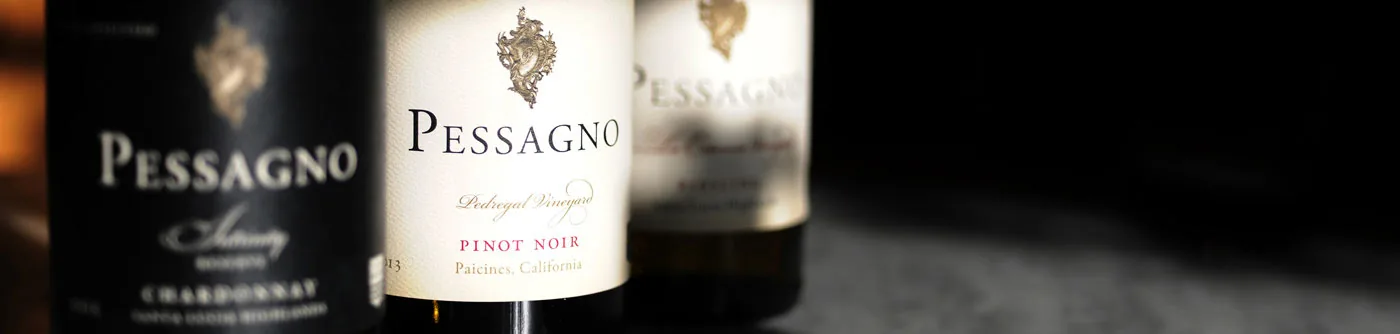
Pessagno Winery is not a throwaway pick. The hook is this: a River Road Pinot and Chardonnay stop with regional longevity. The question is whether a casual visitor can separate that real strength from the extra shine that comes with location, history, or distribution.
More local classic than overhyped destination. For casual drinkers, the simple test is this: would you remember the wine if there were no view, no famous name, and no story attached?
15. Odonata Wines
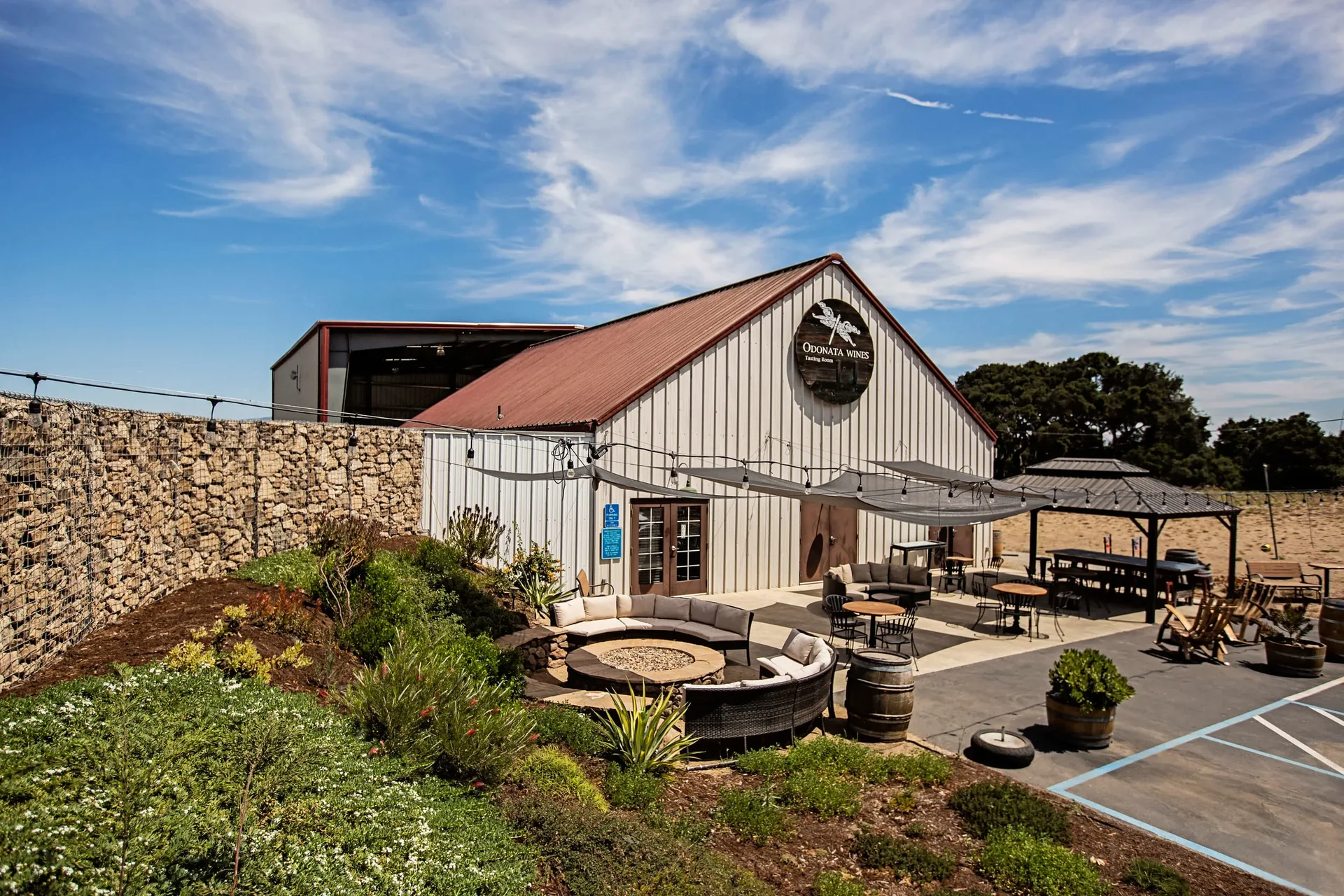
Odonata Wines sits in the middle for one reason: a River Road winery with Pinot in the mix and Monterey listing credibility. I can see why people book it, post it, and tell friends about it, but this is where the gap between a nice experience and memorable Pinot starts to matter.
Fun and credible, but broader portfolio than Pinot obsession. This is the kind of place where one bottle can make sense and the next can feel like a tourist tax. Taste slowly, then buy only the Pinot that still sounds interesting after the pour is gone.
16. District 7 Wines
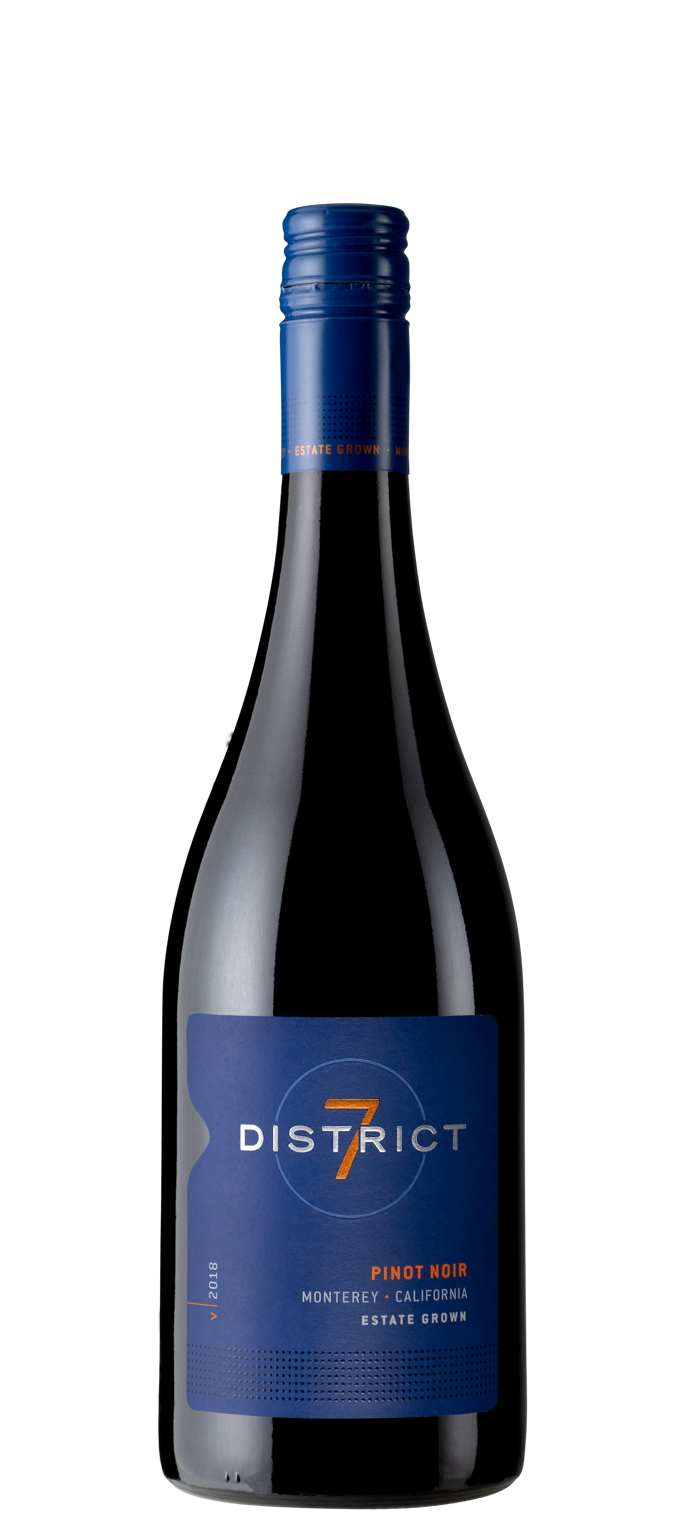
There is a legitimate reason District 7 Wines keeps showing up in Pinot conversations: scheid's Monterey-grown national label gives casual drinkers an easy supermarket gateway to the region. Still, this is not the same as saying every pour overdelivers for the money or deserves automatic applause.
Readable and widely available, but the Pinot story is brand-first rather than estate-first. I would not shame anyone for liking it, but I would push them to compare it against a quieter producer before calling it a benchmark.
Some richer Pinots benefit from air, so check which wines should you decant before you splash everything into a decanter on autopilot.
17. Boekenoogen Wines
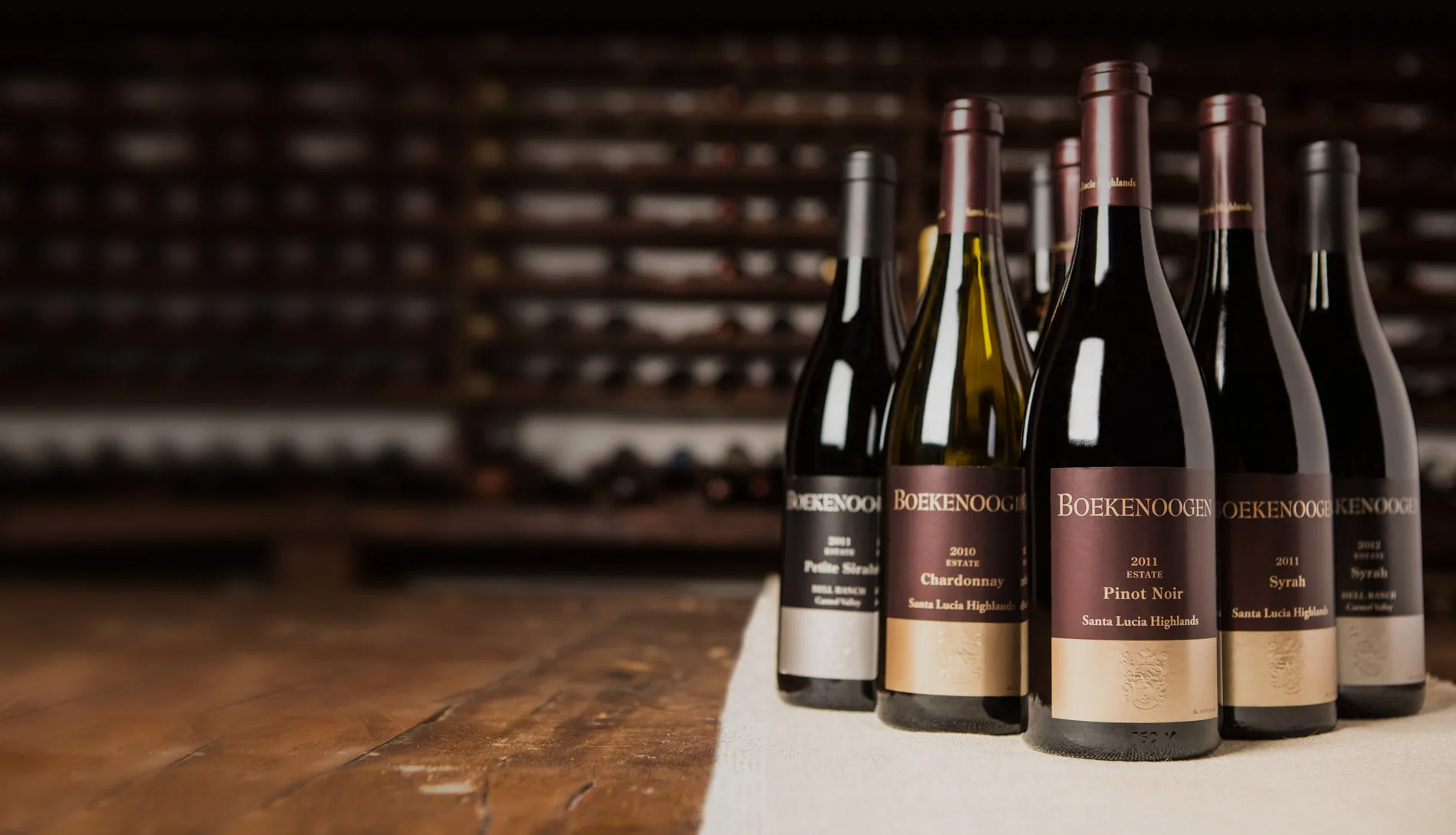
Boekenoogen Wines is not a throwaway pick. The hook is this: estate-grown SLH producer with Pinot relevance. The question is whether a casual visitor can separate that real strength from the extra shine that comes with location, history, or distribution.
Real regional fit, but not enough national hype to punch hard. For casual drinkers, the simple test is this: would you remember the wine if there were no view, no famous name, and no story attached?
18. Manzoni Estate Vineyard

Manzoni Estate Vineyard sits in the middle for one reason: sLH Pinot producer with Carmel Valley tasting presence. I can see why people book it, post it, and tell friends about it, but this is where the gap between a nice experience and memorable Pinot starts to matter.
Good inclusion, but treat gently; not a giant hype machine. This is the kind of place where one bottle can make sense and the next can feel like a tourist tax. Taste slowly, then buy only the Pinot that still sounds interesting after the pour is gone.
If a tasting-room pour feels tight or oaky, our guide to how long to decant wine explains when patience helps and when it just warms up the wine.
19. Dawn's Dream Winery
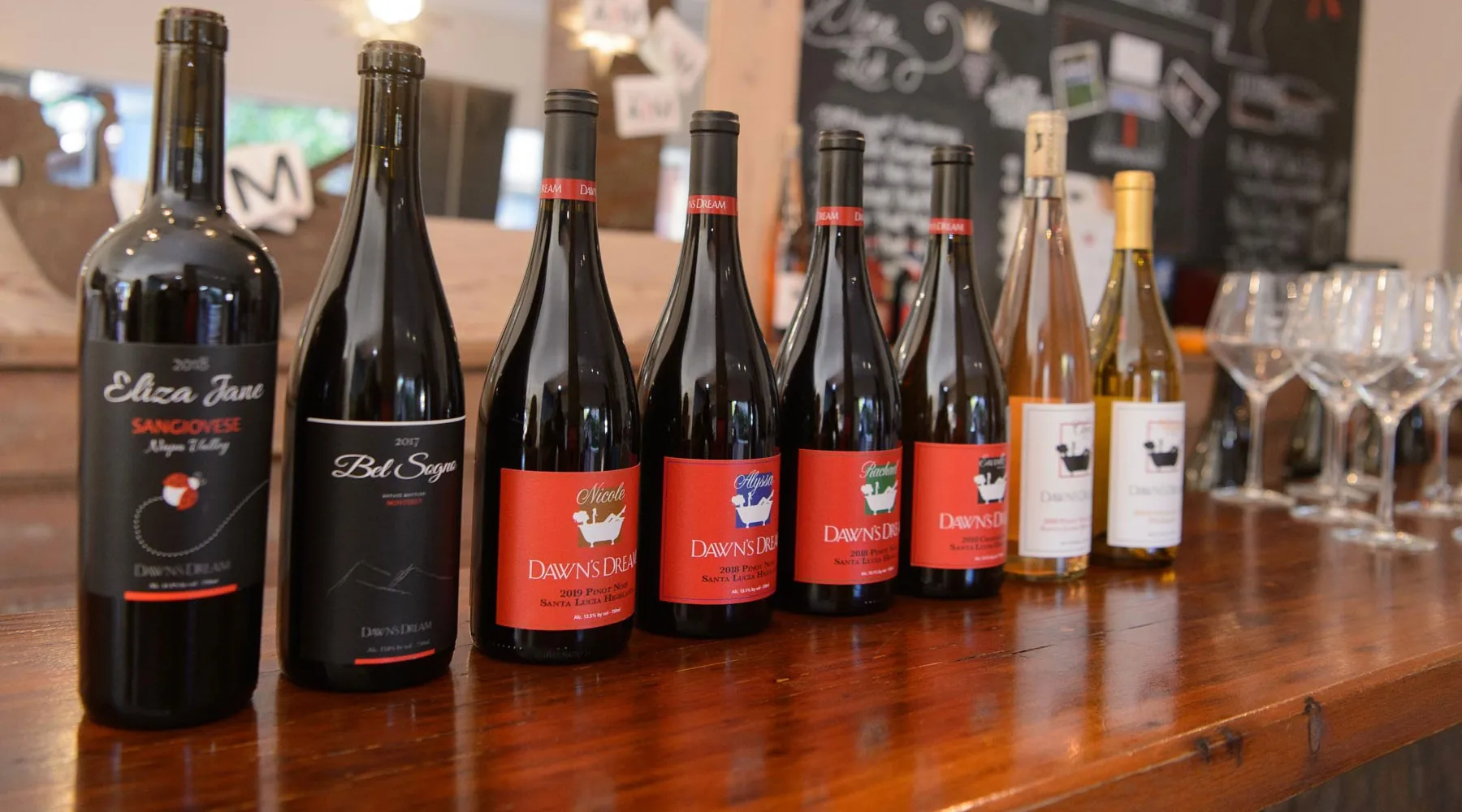
There is a legitimate reason Dawn's Dream Winery keeps showing up in Pinot conversations: carmel-area Pinot-forward tasting room. Still, this is not the same as saying every pour overdelivers for the money or deserves automatic applause.
Pleasant, but more boutique than must-visit. I would not shame anyone for liking it, but I would push them to compare it against a quieter producer before calling it a benchmark.
20. Holman Ranch

Holman Ranch is not a throwaway pick. The hook is this: a Carmel Valley estate and visitor draw with wine-guide attention. The question is whether a casual visitor can separate that real strength from the extra shine that comes with location, history, or distribution.
The ranch and event scenery can outrun the Pinot. For casual drinkers, the simple test is this: would you remember the wine if there were no view, no famous name, and no story attached?
21. Bernardus Winery

Bernardus Winery is where I start getting more suspicious of the applause. The public case is clear: a major Carmel Valley luxury/tasting anchor with SLH Pinot. But a known name can make a perfectly decent Pinot feel more important than it actually tastes.
Tourism gloss is strong; the Pinot angle is still valid. That does not mean skip it forever, but it does mean you should treat the tasting like an audition, not a victory lap. Monterey rewards people who can tell the difference between a regional signature and a broad brand impression.
A good Pinot can turn dull at home if it sits in heat, so keep the basics from how to properly store wine in mind before buying multiples.
22. Folktale Winery

I understand the attraction to Folktale Winery. The draw is easy to spot: a Carmel Valley experience recognized by tourism and wine-travel guides. The problem is that visitors often pay for the shortcut, the view, or the famous label before they ask whether the Pinot itself is doing anything special.
Food, gardens, and vibe may overshadow the wine. If the Pinot tastes broad, sweet, or generic, do not let the reputation bully you into buying. The label should not be louder than the finish.
23. Testarossa Winery

Testarossa Winery has enough credibility to stay on the list. Its claim is this: important SLH Pinot producer, even though based outside Monterey County. Still, this is the zone where I would taste before buying, because reputation can add twenty imaginary points to a bottle.
Strong wines, but the huge single-vineyard lineup can feel inflated. I would visit for context, then spend carefully. A famous stop can be fun without being the smartest Pinot purchase in the region.
24. Chalone Vineyard
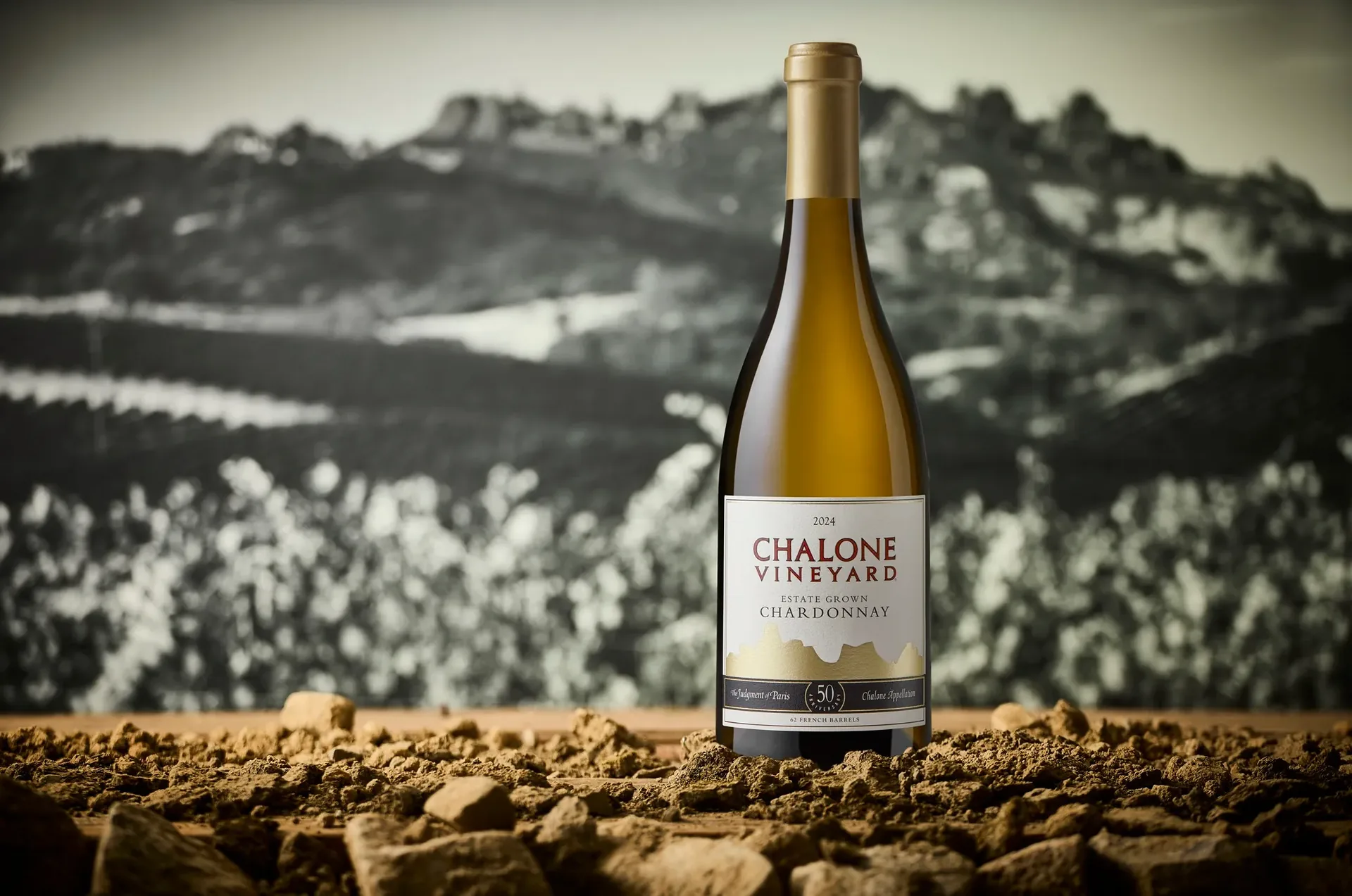
Chalone Vineyard is where I start getting more suspicious of the applause. The public case is clear: a historic Monterey County name with Pinot relevance. But a known name can make a perfectly decent Pinot feel more important than it actually tastes.
The history is bigger than the current Pinot conversation. That does not mean skip it forever, but it does mean you should treat the tasting like an audition, not a victory lap.
Do not let a fancy bottle become a cabinet trophy; these wine storage myths explain what actually matters after the tasting trip.
25. Scheid Vineyards
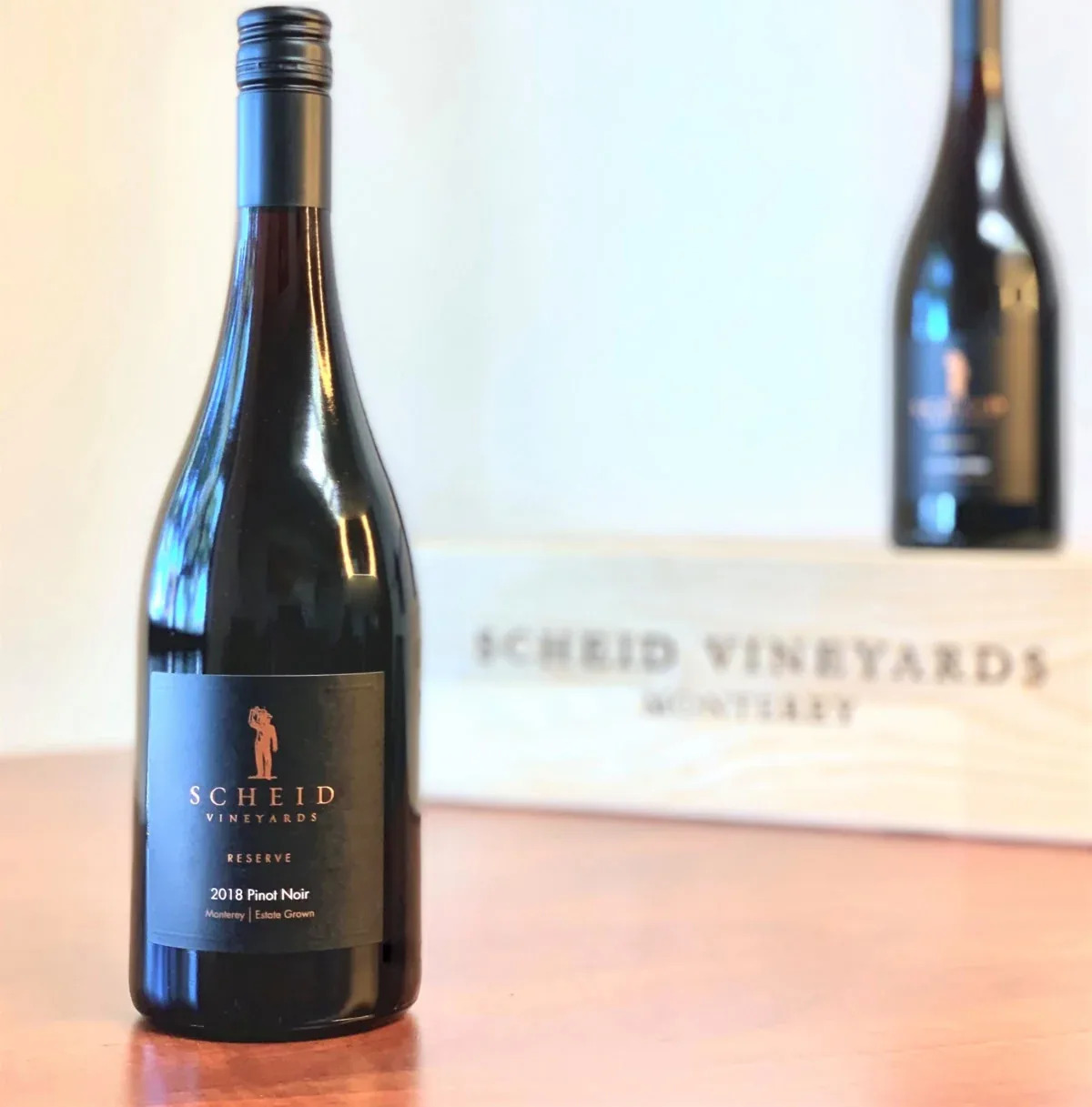
I understand the attraction to Scheid Vineyards. The draw is easy to spot: a major Monterey grower and producer with broad distribution. The problem is that visitors often pay for the shortcut, the view, or the famous label before they ask whether the Pinot itself is doing anything special.
Reliable, but too large-scale to feel magical. If the Pinot tastes broad, sweet, or generic, do not let the reputation bully you into buying. The label should not be louder than the finish. Monterey rewards people who can tell the difference between a regional signature and a broad brand impression.
26. Talbott Vineyards

Talbott Vineyards gives casual drinkers an obvious story to remember. The hook is this: sleepy Hollow legacy and a well-known Pinot/Chardonnay estate. That is useful for recognition, but it can also make the bottle feel like a must-try when it may simply be familiar, expensive, or photogenic.
Legacy name can carry more weight than current excitement. I would rather see visitors buy one honest bottle they love than a case built on castle energy, movie memories, or supermarket familiarity. Monterey rewards people who can tell the difference between a regional signature and a broad brand impression.
27. Hahn Family Wines
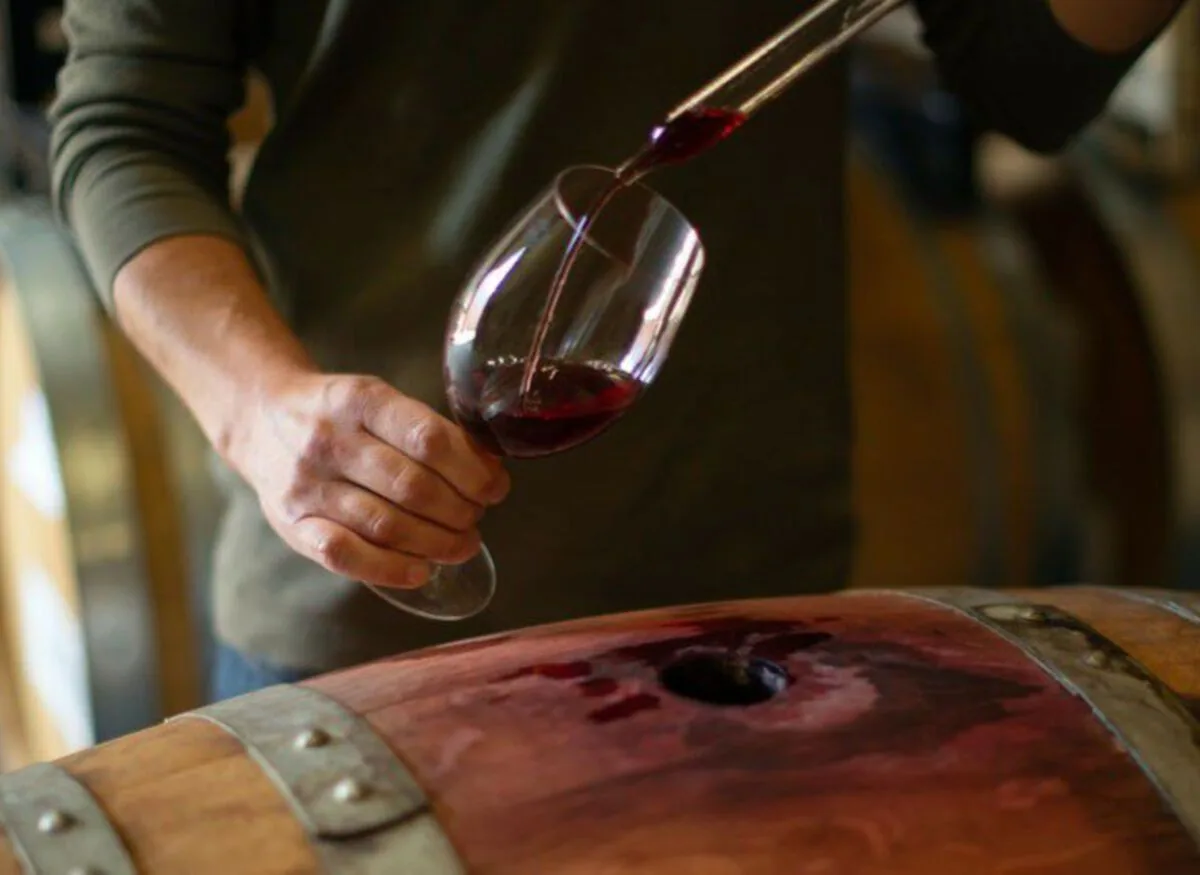
Hahn Family Wines is not here because the wines are worthless. It is here because the public hook is obvious: a large SLH grower and winery with national reach. This is the danger area where a big name, dramatic property, or easy availability can make the Pinot seem more essential than it is.
Good supermarket gateway, but not hidden-gem Pinot. This is where I would be most careful with my wallet: enjoy the spectacle if you want, but do not confuse a memorable stop with a memorable Pinot. Monterey rewards people who can tell the difference between a regional signature and a broad brand impression.
For everyday bottles, the practical guide to store red wine is more useful than pretending every Pinot needs museum treatment.
28. J. Lohr Vineyards & Wines

By the time we get to J. Lohr Vineyards & Wines, the hype meter is blinking. The reason it belongs in the conversation is clear: a huge California producer with Monterey and SLH estate exposure. The reason I am wary is that broad fame can flatten the actual wine judgment.
The brand is more famous than its Pinot reputation. For a normal drinker, the fix is simple: taste blind in your head. If the name disappeared, would the wine still feel special? Monterey rewards people who can tell the difference between a regional signature and a broad brand impression.
29. Carmel Road

Carmel Road gives casual drinkers an obvious story to remember. The hook is this: a broad retail Monterey Pinot brand easy for normal readers to recognize. That is useful for recognition, but it can also make the bottle feel like a must-try when it may simply be familiar, expensive, or photogenic.
Decent, but often sold as more special than it is. I would rather see visitors buy one honest bottle they love than a case built on castle energy, movie memories, or supermarket familiarity. Monterey rewards people who can tell the difference between a regional signature and a broad brand impression.
If you are buying the pricey names to hold, read up on long-term wine storage before the romance of the bottle outruns the reality of your closet.
30. Poppy Wines
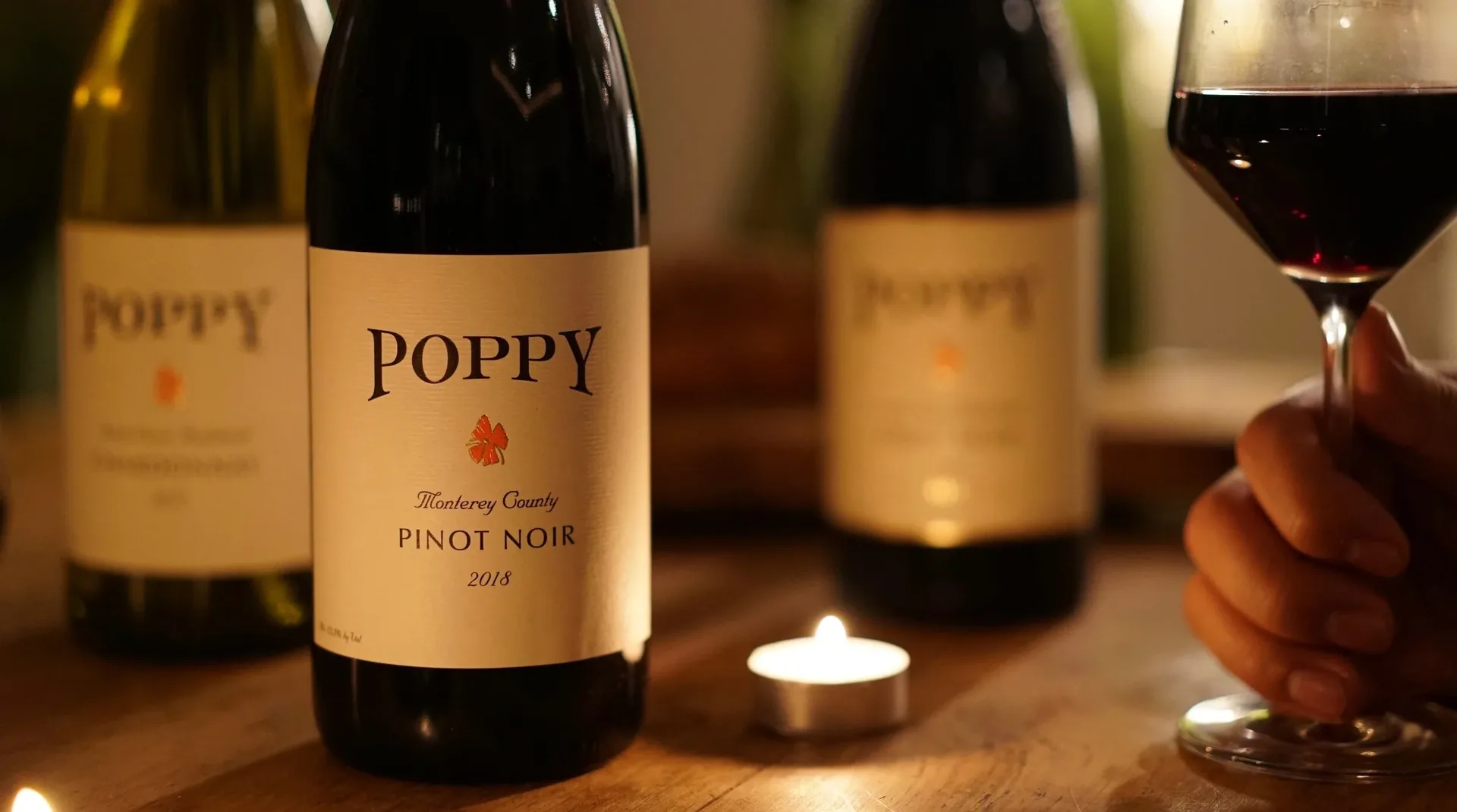
Poppy Wines is not here because the wines are worthless. It is here because the public hook is obvious: a widely accessible Monterey value Pinot label. This is the danger area where a big name, dramatic property, or easy availability can make the Pinot seem more essential than it is.
Friendly and cheap, but not the SLH magic people imagine. This is where I would be most careful with my wallet: enjoy the spectacle if you want, but do not confuse a memorable stop with a memorable Pinot. Monterey rewards people who can tell the difference between a regional signature and a broad brand impression.
This is one of four county rankings. Sonoma, Napa and Santa Barbara are collected in California Pinot Noir by county.
Sources and image note
This ranking was cross-checked against official winery pages, active winery product or visit pages, regional winery associations, and publisher or critic coverage. Background source set: www.santaluciahighlands.com montereywines.org www.seemonterey.com www.decanter.com. Images in the numbered list were imported from official winery websites, winery-controlled store pages, or winery-controlled media/CDN assets.