
Santa Barbara County is legitimately one of America's great Pinot places, so this is not a cheap dunk list. It is a hype audit: which names still pour like they mean it, and which ones charge like the story is the wine.
The county has Santa Maria Valley, Sta. Rita Hills, and a long Sideways shadow, which makes it perfect for Pinot and perfect for inflated expectations. The best stops taste specific; the overrated ones taste like you paid for the legend first.
Table of Contents
- 1. Ken Brown Wines
- 2. Longoria Wines
- 3. Dragonette Cellars
- 4. J. Wilkes
- 5. Riverbench Vineyard & Winery
- 6. SAMsARA Wine Co.
- 7. Peake Ranch
- 8. Lafond Winery
- 9. Dierberg Vineyard
- 10. Bien Nacido Estate
- 11. Foley Estates
- 12. Cambria Estate Winery
- 13. Pali Wine Co.
- 14. Margerum Wine Company
- 15. Firestone Vineyard
- 16. Foxen Vineyard & Winery
- 17. Babcock Winery
- 18. Alma Rosa Winery
- 19. Au Bon Climat
- 20. Sandhi Wines
- 21. Domaine de la Cote
- 22. Tyler Winery
- 23. Melville Winery
- 24. Brewer-Clifton
- 25. Sanford Winery
- 26. The Hilt Estate
- 27. Presquile Winery
- 28. Fess Parker Winery
- 29. Hitching Post Wines
- 30. Sea Smoke Cellars
- Sources and image note
1. Ken Brown Wines
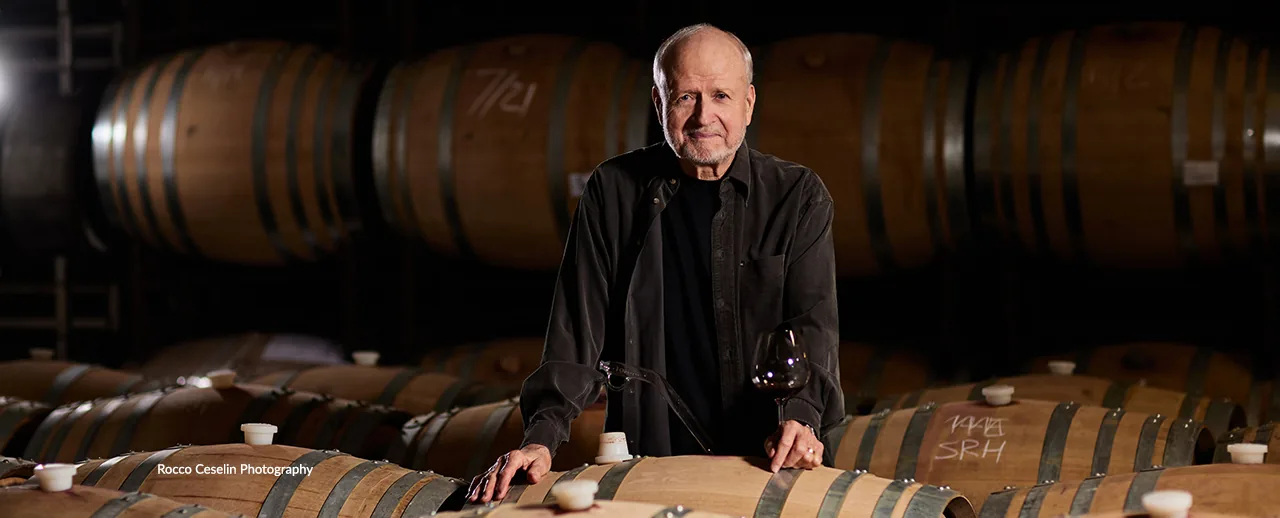
I would not roll my eyes at the praise for Ken Brown Wines. The case is simple: a legacy Sta. Rita Hills name tied to early Santa Barbara Pinot credibility. That kind of footing matters with Pinot, a grape that shows weakness fast when the story is stronger than the wine.
More quiet benchmark than overrated; a useful sanity anchor. That is a mild warning, not a takedown. Go in expecting balance and texture rather than fireworks, and the visit has a good chance of feeling worth it.
2. Longoria Wines
Longoria Wines is one of the safer recommendations here. The draw is clear: richard Longoria is part of Santa Barbara Pinot history. If you only know Pinot as a smooth red at dinner, this is the kind of producer that can show why place and farming matter.
Old-school and respected, not flashy enough to be truly overrated. In plain English, this is not the place I would cut first from an itinerary. The wines have enough backbone that the reputation feels earned, even when the tasting room looks a little too ready for photos.
3. Dragonette Cellars
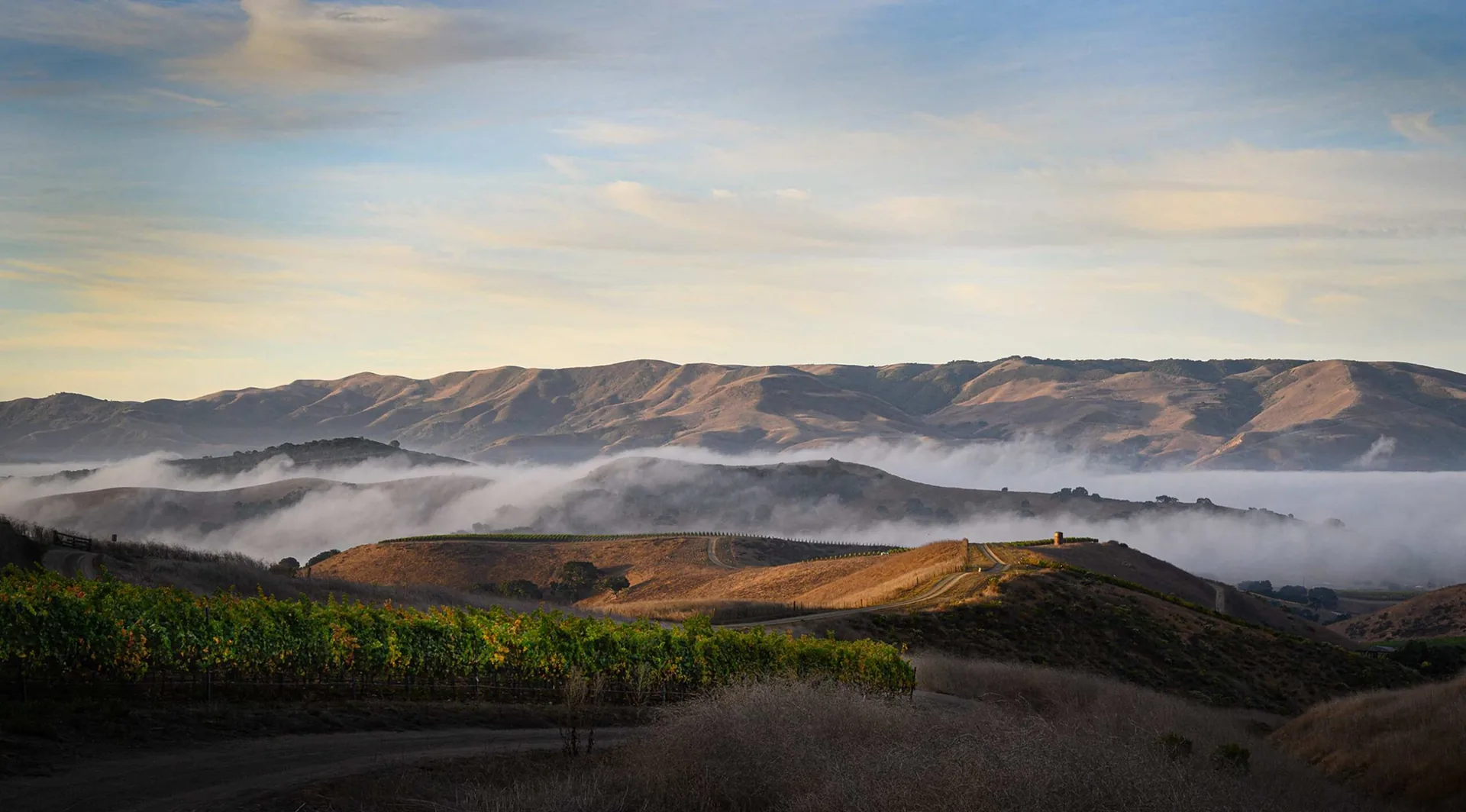
Dragonette Cellars lands near the top for a simple reason: regularly recommended by wine and travel guides, with serious Santa Barbara following. For a regular drinker, that means there is an actual Pinot reason to care, not just a nice driveway, a polished reservation system, or a label that looks expensive.
Hype is mostly earned, though casual drinkers may miss the nuance. I would still send someone here, especially if they want Pinot with a clear regional point instead of a souvenir pour. The praise may be loud, but the glass has enough detail to answer back.
4. J. Wilkes

I would not roll my eyes at the praise for J. Wilkes. The case is simple: an approachable Santa Barbara Pinot name with regional listings and appellation focus. That kind of footing matters with Pinot, a grape that shows weakness fast when the story is stronger than the wine.
Good value story, but not a bucket-list winery experience. That is a mild warning, not a takedown. Go in expecting balance and texture rather than fireworks, and the visit has a good chance of feeling worth it.
5. Riverbench Vineyard & Winery
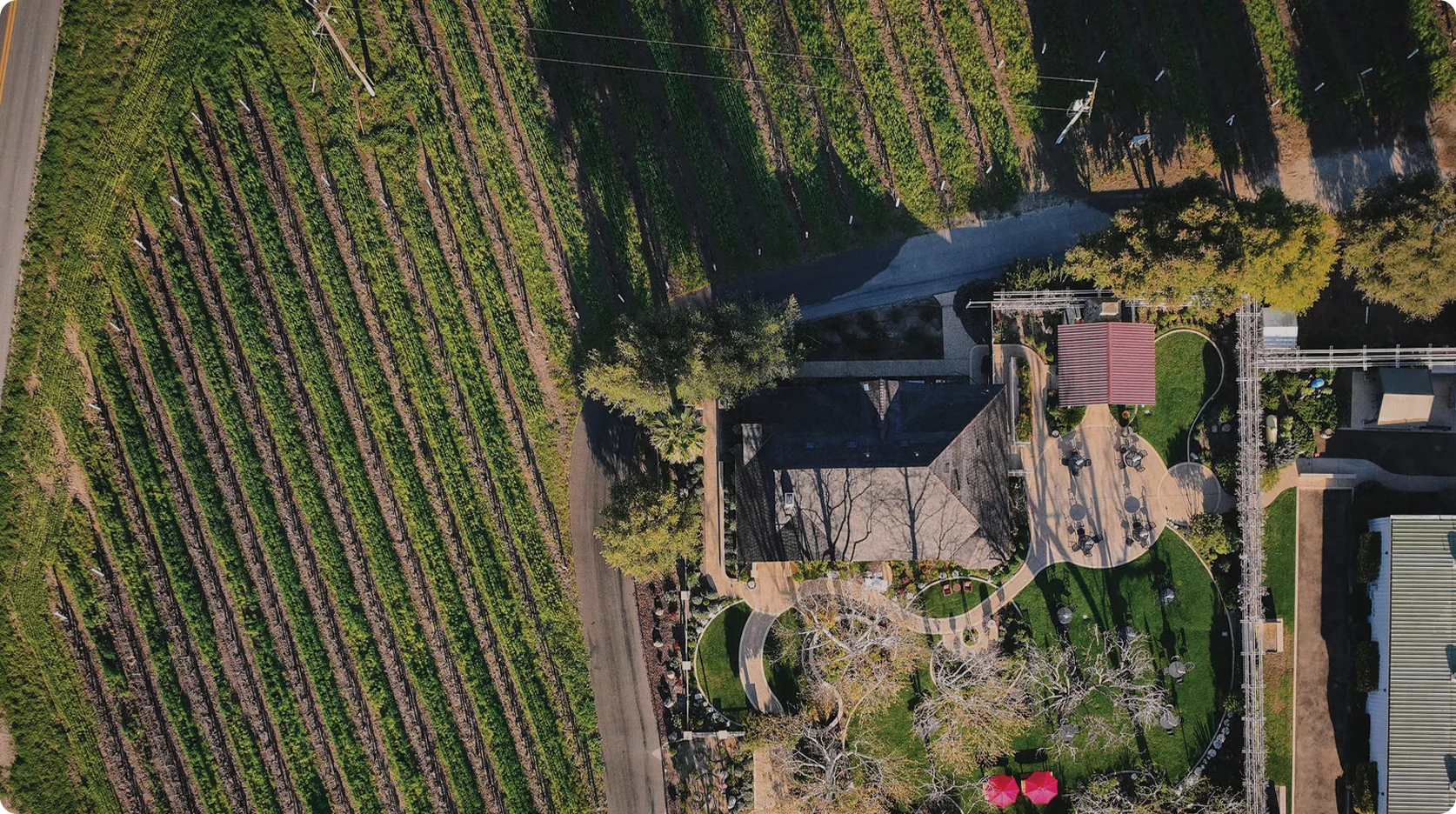
Riverbench Vineyard & Winery is one of the safer recommendations here. The draw is clear: a historic Santa Maria vineyard focused on Pinot, Chardonnay, and sparkling. If you only know Pinot as a smooth red at dinner, this is the kind of producer that can show why place and farming matter.
Pleasant and credible, though visitor hype can outrun the wines. In plain English, this is not the place I would cut first from an itinerary. The wines have enough backbone that the reputation feels earned, even when the tasting room looks a little too ready for photos.
6. SAMsARA Wine Co.

SAMsARA Wine Co. still has a real argument behind it: a featured urban tasting-room name with Sta. Rita Hills credibility. The wines or the setting may feel polished, but there is enough Pinot substance here that the reputation is not just empty regional sparkle.
Smart wines, but less recognizable to normal readers than bigger names. I would still taste it, but I would not let the room, view, or sales script make the buying decision. Pinot should smell alive, not just expensive.
7. Peake Ranch
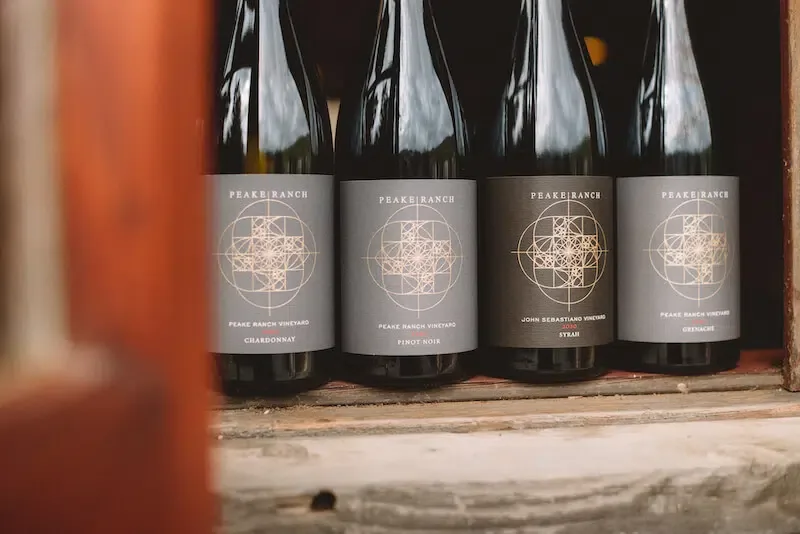
The reason Peake Ranch belongs on the list is not mystery or hype alone. The hook is this: a modern Sta. Rita Hills visitor favorite with a polished property. That gives casual visitors something real to taste before the marketing language starts floating around the room.
Gorgeous setting can make the wines feel more essential than they are. That makes it a good stop for curious drinkers, as long as you keep your expectations at table height and do not assume every polished pour is profound.
8. Lafond Winery

Lafond Winery is credible before it is fashionable. Its best claim is straightforward: historic Santa Barbara lineage with Sta. Rita Hills Pinot and Chardonnay. That does not make every bottle a revelation, but it keeps the stop from feeling like pure tasting-room theater.
Important name, but not always as exciting as newer Pinot darlings. The smart move is to taste for freshness, lift, and finish. If those are missing, the famous surroundings are doing the heavy lifting.
9. Dierberg Vineyard

Dierberg Vineyard still has a real argument behind it: a serious Sta. Rita Hills stop with Pinot and broader estate credibility. The wines or the setting may feel polished, but there is enough Pinot substance here that the reputation is not just empty regional sparkle.
Polished and serious, but it can feel more corporate than magical. I would still taste it, but I would not let the room, view, or sales script make the buying decision. Pinot should smell alive, not just expensive.
10. Bien Nacido Estate

The reason Bien Nacido Estate belongs on the list is not mystery or hype alone. The hook is this: one of Santa Maria's most famous vineyard names for Pinot source material. That gives casual visitors something real to taste before the marketing language starts floating around the room.
The vineyard legend is real; the estate brand can feel secondary to the fruit reputation. That makes it a good stop for curious drinkers, as long as you keep your expectations at table height and do not assume every polished pour is profound.
11. Foley Estates
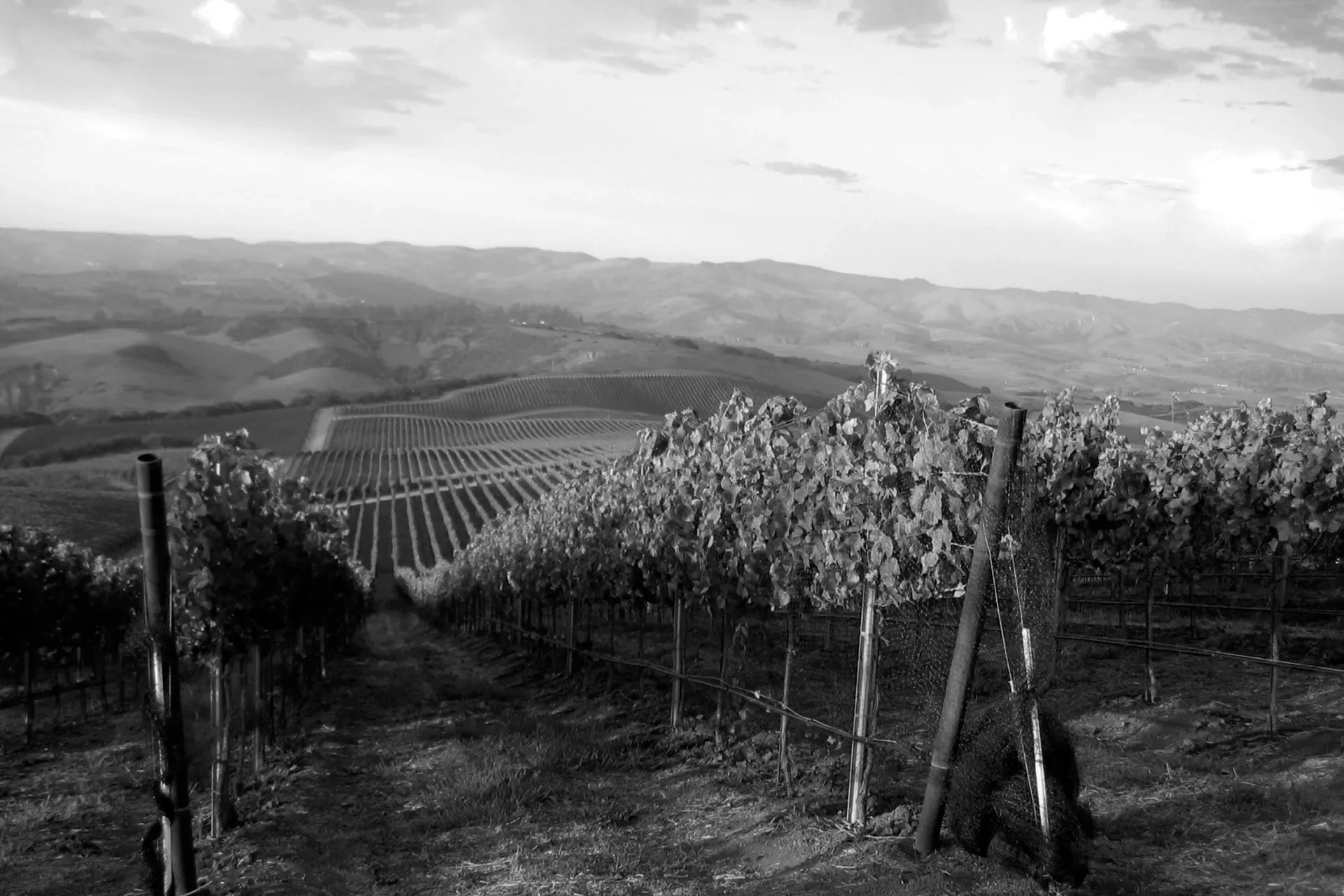
Foley Estates is credible before it is fashionable. Its best claim is straightforward: large Sta. Rita Hills estate with Pinot and Chardonnay focus. That does not make every bottle a revelation, but it keeps the stop from feeling like pure tasting-room theater.
Big-estate polish may overpromise intimacy. The smart move is to taste for freshness, lift, and finish. If those are missing, the famous surroundings are doing the heavy lifting.
If this list sends you shopping instead of tasting, start with our guide to store Pinot Noir so the label does not do all the thinking for you.
12. Cambria Estate Winery

Cambria Estate Winery still has a real argument behind it: santa Maria estate Pinot with broad retail visibility. The wines or the setting may feel polished, but there is enough Pinot substance here that the reputation is not just empty regional sparkle.
Easy to find and like, but not always exciting enough for the reputation. I would still taste it, but I would not let the room, view, or sales script make the buying decision. Pinot should smell alive, not just expensive.
13. Pali Wine Co.

There is a legitimate reason Pali Wine Co. keeps showing up in Pinot conversations: started with Pinot and grew into a bigger urban tasting-room brand. Still, this is not the same as saying every pour overdelivers for the money or deserves automatic applause.
Fun tasting-room energy can outshine the Pinot conversation. I would not shame anyone for liking it, but I would push them to compare it against a quieter producer before calling it a benchmark.
Glassware will not rescue a flat bottle, but knowing the difference between red and white wine glasses helps Pinot show more of its perfume.
14. Margerum Wine Company

Margerum Wine Company is not a throwaway pick. The hook is this: a major Santa Barbara hospitality name with wine-guide visibility. The question is whether a casual visitor can separate that real strength from the extra shine that comes with location, history, or distribution.
Great city stop, but not a pure Pinot pilgrimage. For casual drinkers, the simple test is this: would you remember the wine if there were no view, no famous name, and no story attached?
15. Firestone Vineyard

Firestone Vineyard sits in the middle for one reason: historic, large, and highly recognizable in Santa Ynez wine tourism. I can see why people book it, post it, and tell friends about it, but this is where the gap between a nice experience and memorable Pinot starts to matter.
Famous and tourist-friendly, but Pinot is not the sharpest reason to go. This is the kind of place where one bottle can make sense and the next can feel like a tourist tax. Taste slowly, then buy only the Pinot that still sounds interesting after the pour is gone.
16. Foxen Vineyard & Winery
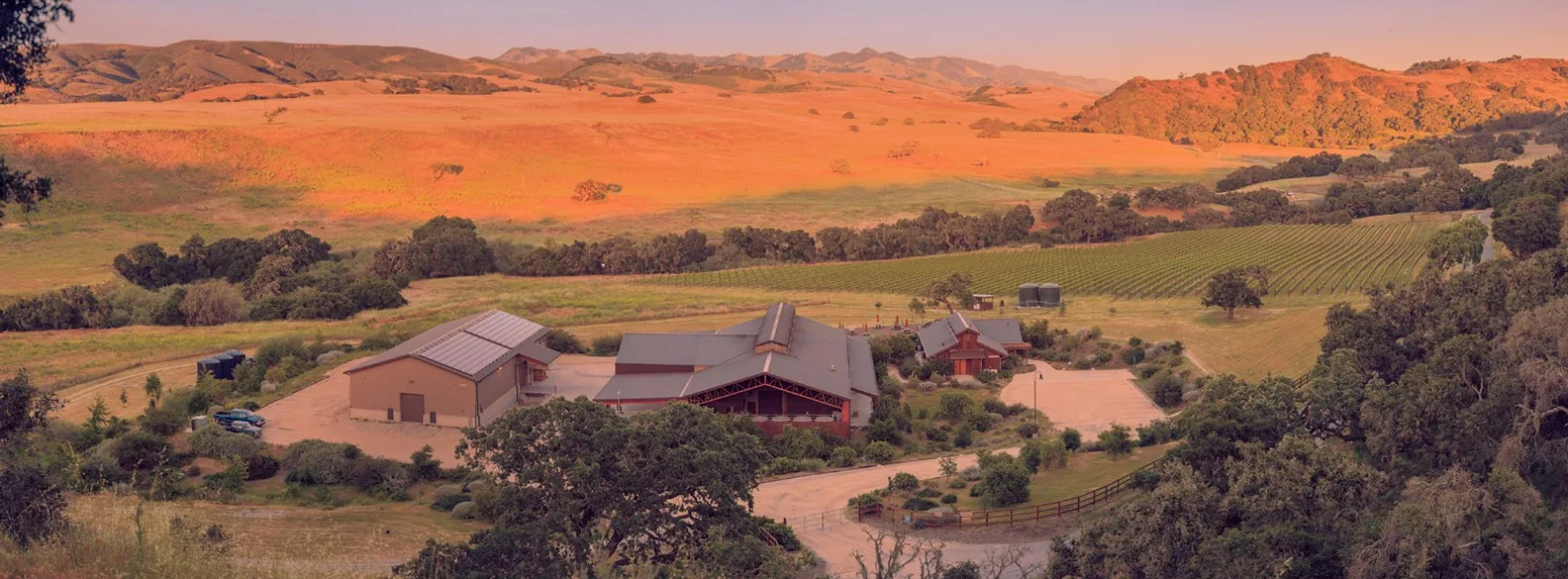
There is a legitimate reason Foxen Vineyard & Winery keeps showing up in Pinot conversations: a reputable Santa Maria/Foxen Canyon name cited in Pinot producer lists. Still, this is not the same as saying every pour overdelivers for the money or deserves automatic applause.
Beloved, but rustic charm can make visitors forgive merely good pours. I would not shame anyone for liking it, but I would push them to compare it against a quieter producer before calling it a benchmark.
Some richer Pinots benefit from air, so check which wines should you decant before you splash everything into a decanter on autopilot.
17. Babcock Winery

Babcock Winery is not a throwaway pick. The hook is this: a Sta. Rita Hills pioneer family and essential regional stop. The question is whether a casual visitor can separate that real strength from the extra shine that comes with location, history, or distribution.
The quirky tasting-room scene can become the headline more than Pinot. For casual drinkers, the simple test is this: would you remember the wine if there were no view, no famous name, and no story attached?
18. Alma Rosa Winery
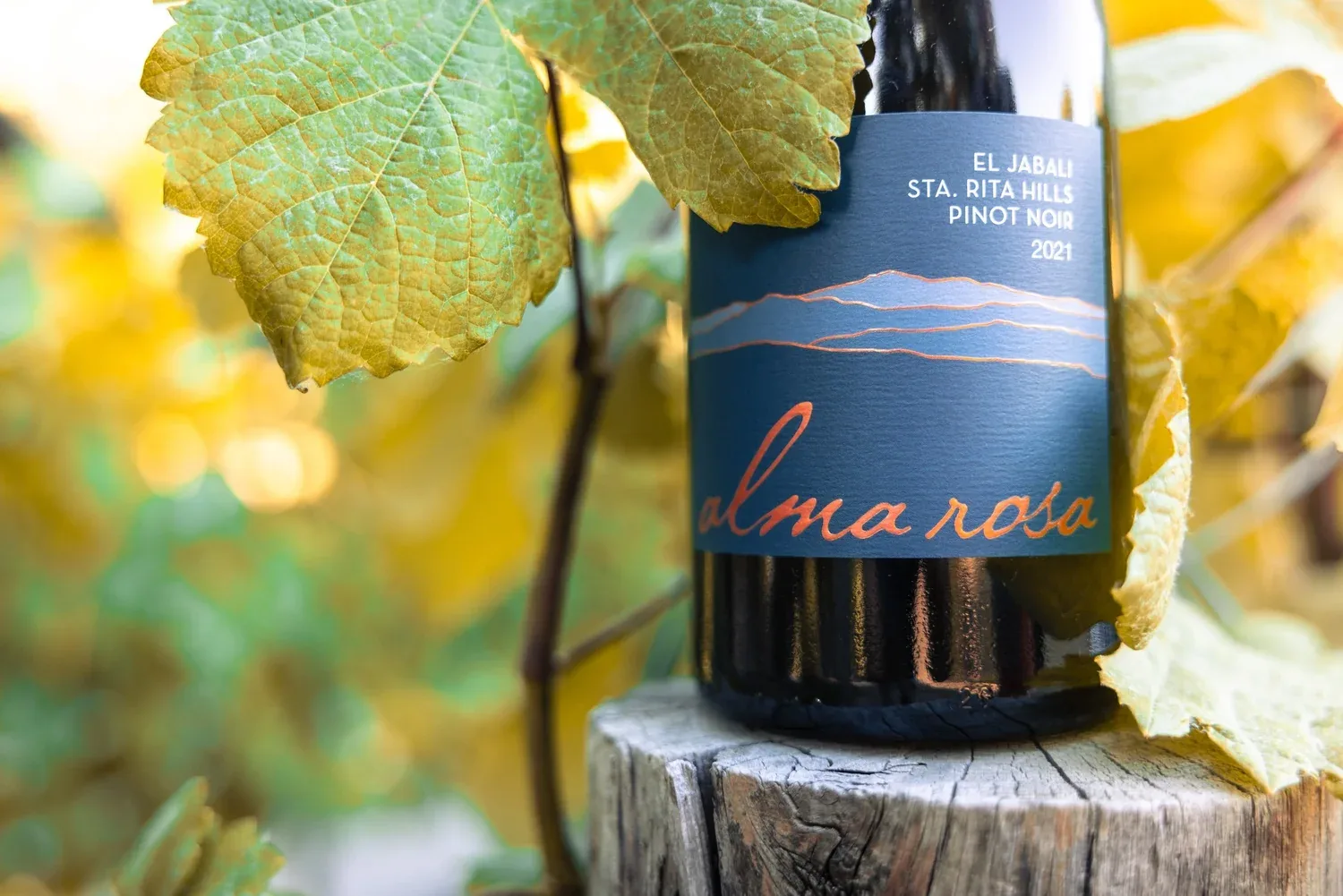
Alma Rosa Winery sits in the middle for one reason: richard Sanford legacy keeps the Pinot story relevant. I can see why people book it, post it, and tell friends about it, but this is where the gap between a nice experience and memorable Pinot starts to matter.
Historic weight is real, but the story sometimes sells harder than the bottle. This is the kind of place where one bottle can make sense and the next can feel like a tourist tax. Taste slowly, then buy only the Pinot that still sounds interesting after the pour is gone.
If a tasting-room pour feels tight or oaky, our guide to how long to decant wine explains when patience helps and when it just warms up the wine.
19. Au Bon Climat
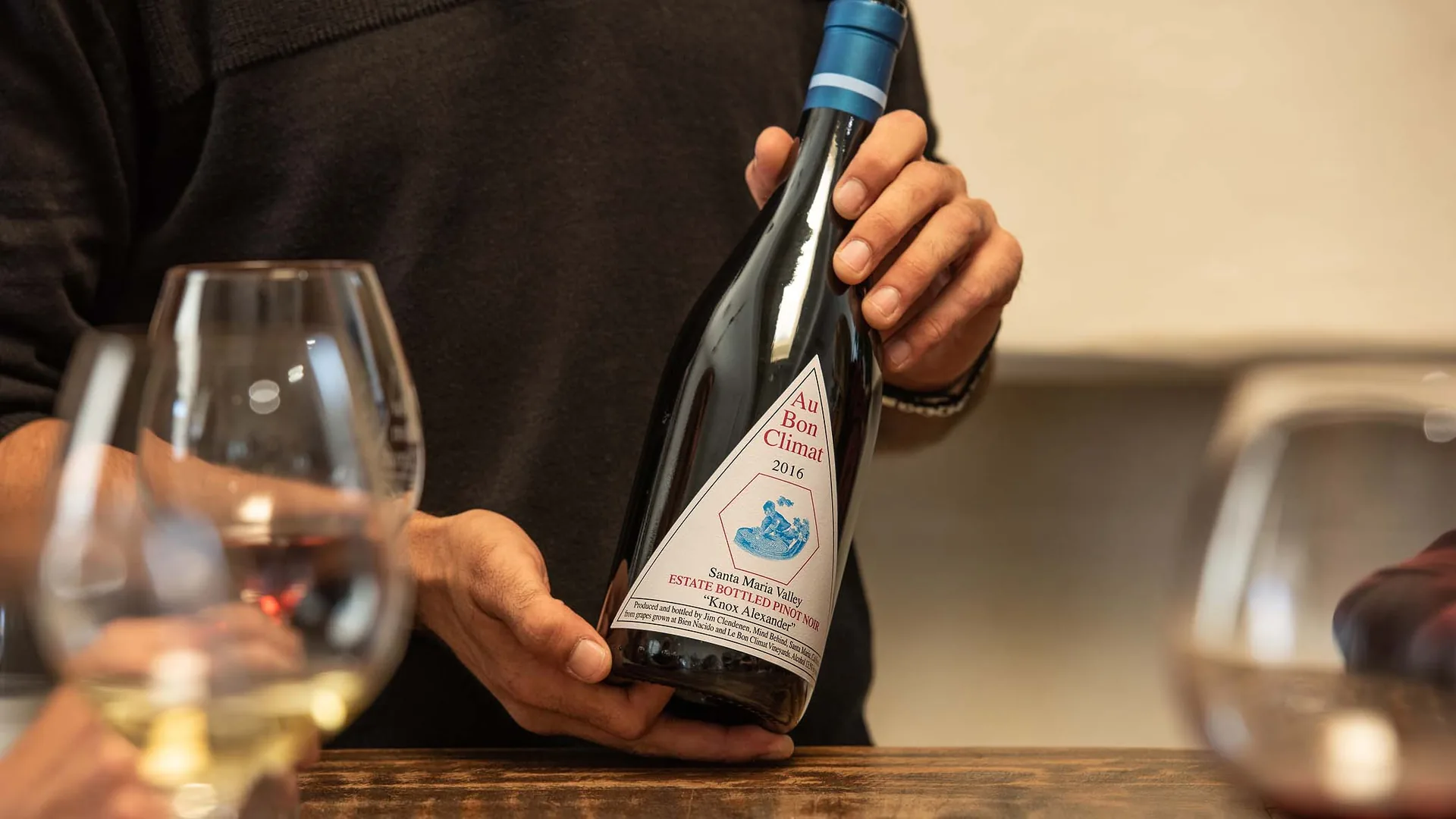
There is a legitimate reason Au Bon Climat keeps showing up in Pinot conversations: one of Santa Barbara's iconic Burgundy-style producers. Still, this is not the same as saying every pour overdelivers for the money or deserves automatic applause.
Icon status is deserved, but casual visitors may expect a flashier experience. I would not shame anyone for liking it, but I would push them to compare it against a quieter producer before calling it a benchmark. Santa Barbara has too much great Pinot to let fame do all the work.
20. Sandhi Wines

Sandhi Wines is not a throwaway pick. The hook is this: a sommelier-beloved Sta. Rita Hills/Burgundian-style name. The question is whether a casual visitor can separate that real strength from the extra shine that comes with location, history, or distribution.
Wine-nerd hype is intense; broad drinkers may wonder what the fuss is about. For casual drinkers, the simple test is this: would you remember the wine if there were no view, no famous name, and no story attached?
21. Domaine de la Cote

Domaine de la Cote is where I start getting more suspicious of the applause. The public case is clear: a cult Pinot name from Raj Parr and Sashi Moorman with national reputation. But a known name can make a perfectly decent Pinot feel more important than it actually tastes.
Priced and discussed like a grand statement, not always casual-drinker joy. That does not mean skip it forever, but it does mean you should treat the tasting like an audition, not a victory lap.
A good Pinot can turn dull at home if it sits in heat, so keep the basics from how to properly store wine in mind before buying multiples.
22. Tyler Winery

I understand the attraction to Tyler Winery. The draw is easy to spot: a critically respected Santa Barbara Pinot producer with Mae Estate story. The problem is that visitors often pay for the shortcut, the view, or the famous label before they ask whether the Pinot itself is doing anything special.
Sommelier favorite, but scarcity and precision can feel precious. If the Pinot tastes broad, sweet, or generic, do not let the reputation bully you into buying. The label should not be louder than the finish.
23. Melville Winery
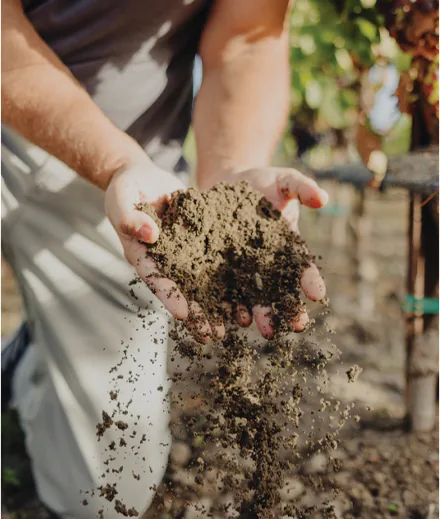
Melville Winery has enough credibility to stay on the list. Its claim is this: a core Sta. Rita Hills estate repeatedly cited as a Pinot leader. Still, this is the zone where I would taste before buying, because reputation can add twenty imaginary points to a bottle.
Still very good, but so expected that it risks becoming the default answer. I would visit for context, then spend carefully. A famous stop can be fun without being the smartest Pinot purchase in the region.
24. Brewer-Clifton
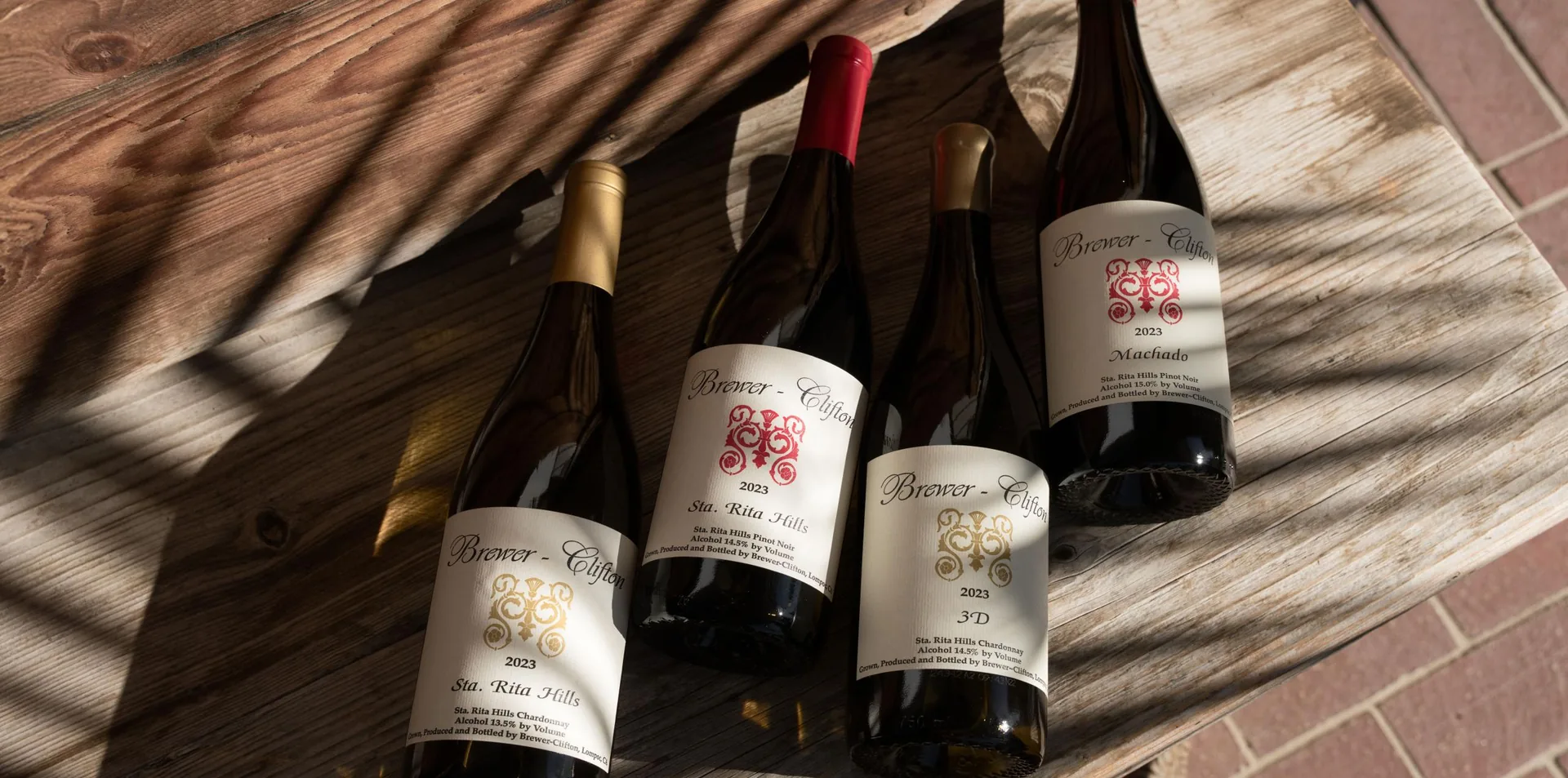
Brewer-Clifton is where I start getting more suspicious of the applause. The public case is clear: a landmark Sta. Rita Hills Pinot and Chardonnay brand. But a known name can make a perfectly decent Pinot feel more important than it actually tastes.
Revered style, but name recognition can make it feel untouchable. That does not mean skip it forever, but it does mean you should treat the tasting like an audition, not a victory lap. Santa Barbara has too much great Pinot to let fame do all the work.
Do not let a fancy bottle become a cabinet trophy; these wine storage myths explain what actually matters after the tasting trip.
25. Sanford Winery

I understand the attraction to Sanford Winery. The draw is easy to spot: historical heart of Sta. Rita Hills Pinot with broad reader recognition. The problem is that visitors often pay for the shortcut, the view, or the famous label before they ask whether the Pinot itself is doing anything special.
Essential history, but the modern experience can feel safer than thrilling. If the Pinot tastes broad, sweet, or generic, do not let the reputation bully you into buying. The label should not be louder than the finish. Santa Barbara has too much great Pinot to let fame do all the work.
26. The Hilt Estate
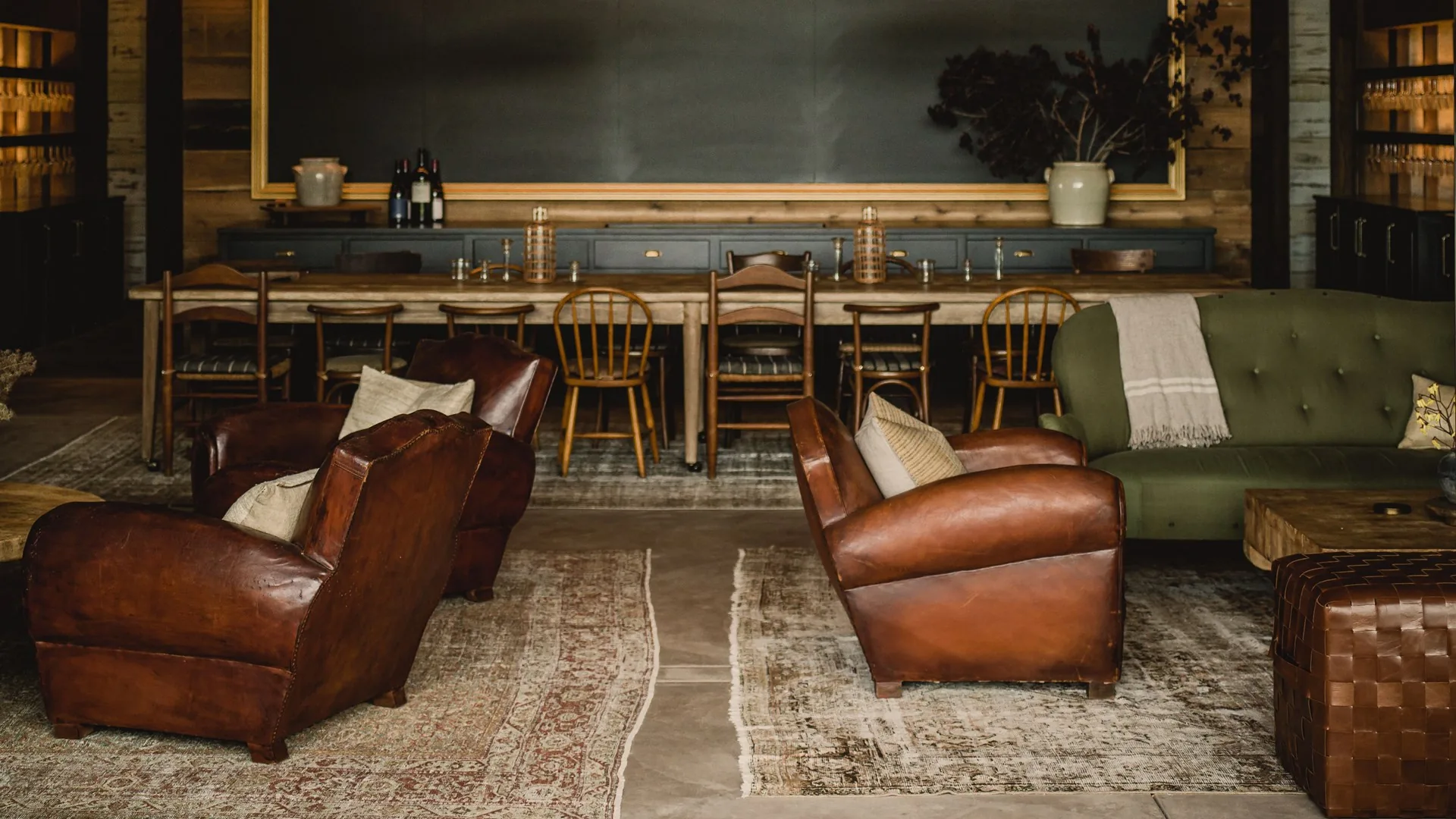
The Hilt Estate gives casual drinkers an obvious story to remember. The hook is this: high-end Sta. Rita Hills estate visible in major travel and wine guides. That is useful for recognition, but it can also make the bottle feel like a must-try when it may simply be familiar, expensive, or photogenic.
Beautiful, serious, expensive-feeling; the drama can outpace the fun. I would rather see visitors buy one honest bottle they love than a case built on castle energy, movie memories, or supermarket familiarity.
27. Presquile Winery

Presquile Winery is not here because the wines are worthless. It is here because the public hook is obvious: a major Santa Maria visitor destination with food and architecture appeal. This is the danger area where a big name, dramatic property, or easy availability can make the Pinot seem more essential than it is.
Gorgeous estate and food program may carry more hype than Pinot alone. This is where I would be most careful with my wallet: enjoy the spectacle if you want, but do not confuse a memorable stop with a memorable Pinot.
For everyday bottles, the practical guide to store red wine is more useful than pretending every Pinot needs museum treatment.
28. Fess Parker Winery
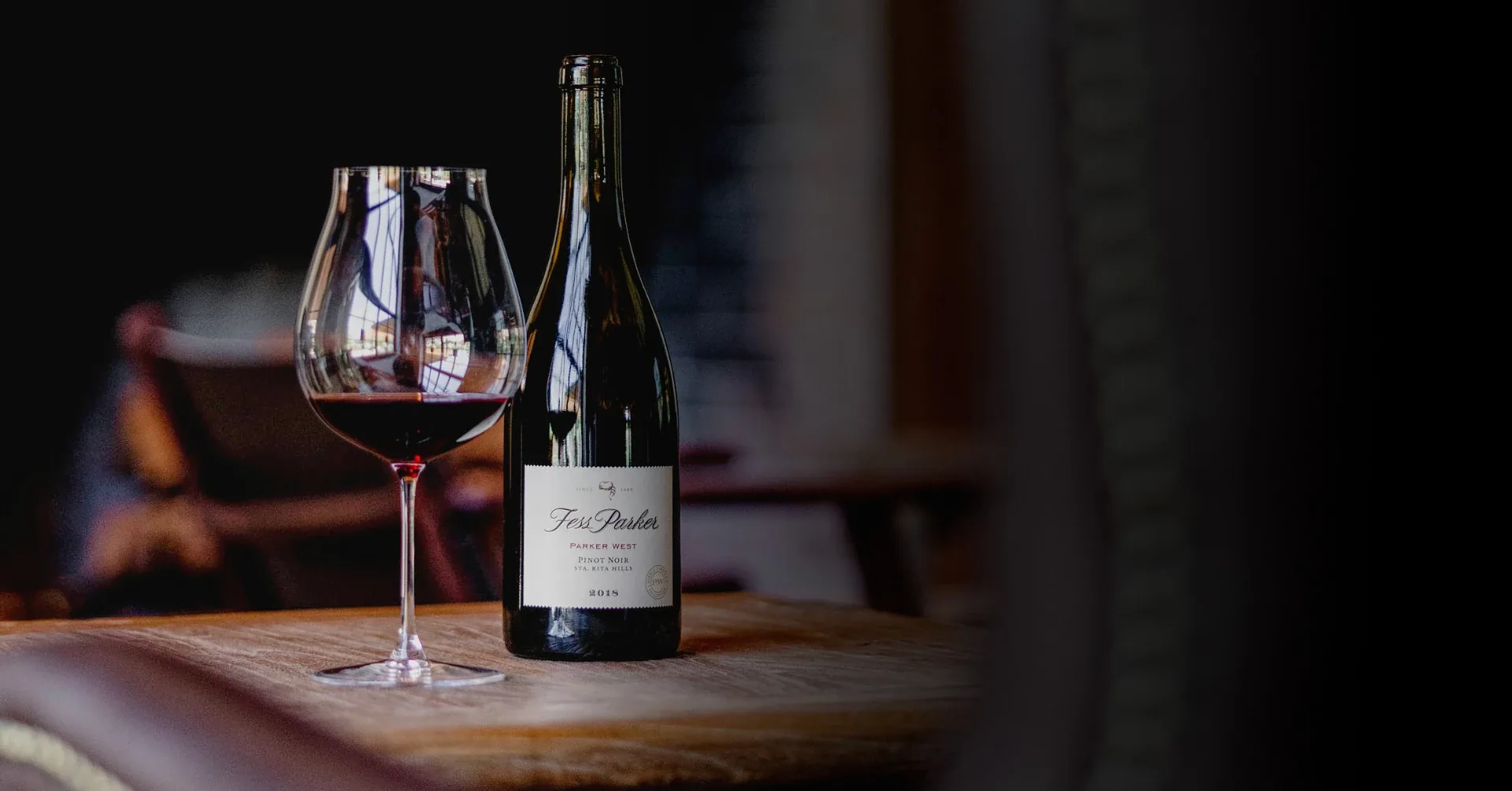
By the time we get to Fess Parker Winery, the hype meter is blinking. The reason it belongs in the conversation is clear: celebrity-founded, large, travel-friendly, and broadly recognizable. The reason I am wary is that broad fame can flatten the actual wine judgment.
Big-name hospitality can make it feel mandatory even when Pinot is not the main draw. For a normal drinker, the fix is simple: taste blind in your head. If the name disappeared, would the wine still feel special?
29. Hitching Post Wines
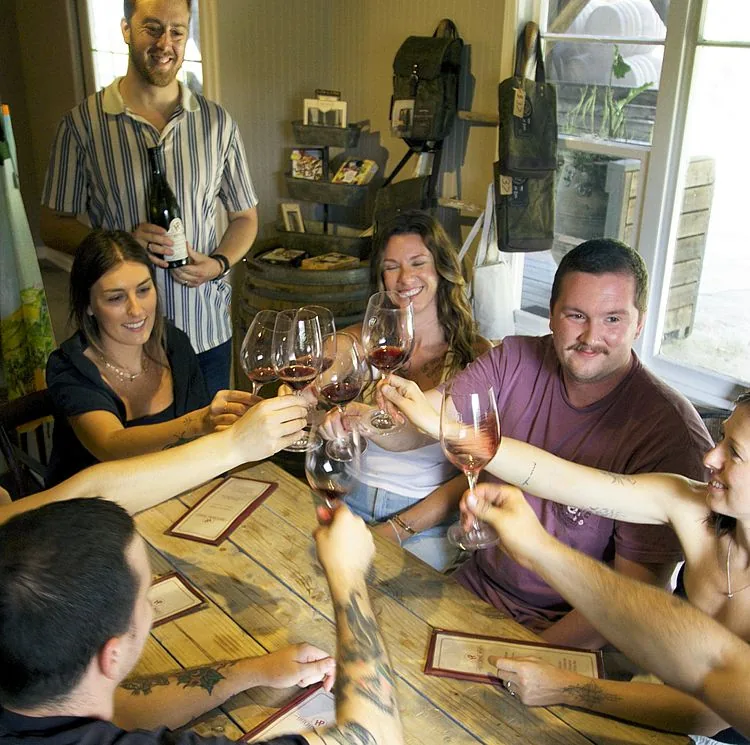
Hitching Post Wines gives casual drinkers an obvious story to remember. The hook is this: sideways-adjacent fame gives it broad-reader pull. That is useful for recognition, but it can also make the bottle feel like a must-try when it may simply be familiar, expensive, or photogenic.
The pop-culture halo is bigger than the wine conversation. I would rather see visitors buy one honest bottle they love than a case built on castle energy, movie memories, or supermarket familiarity. Santa Barbara has too much great Pinot to let fame do all the work.
If you are buying the pricey names to hold, read up on long-term wine storage before the romance of the bottle outruns the reality of your closet.
30. Sea Smoke Cellars

Sea Smoke Cellars is not here because the wines are worthless. It is here because the public hook is obvious: a cult Sta. Rita Hills Pinot name with huge collector reputation. This is the danger area where a big name, dramatic property, or easy availability can make the Pinot seem more essential than it is.
Safest overrated target: allocation mystique, scarcity, and price create easy reader tension. This is where I would be most careful with my wallet: enjoy the spectacle if you want, but do not confuse a memorable stop with a memorable Pinot. Santa Barbara has too much great Pinot to let fame do all the work.
This is one of four county rankings. Sonoma, Napa and Monterey are collected in California Pinot Noir by county.
Sources and image note
This ranking was cross-checked against official winery pages, active winery product or visit pages, regional winery associations, and publisher or critic coverage. Background source set: www.sbcountywines.com www.wineenthusiast.com www.sfchronicle.com www.winecountry.com. Images in the numbered list were imported from official winery websites, winery-controlled store pages, or winery-controlled media/CDN assets.